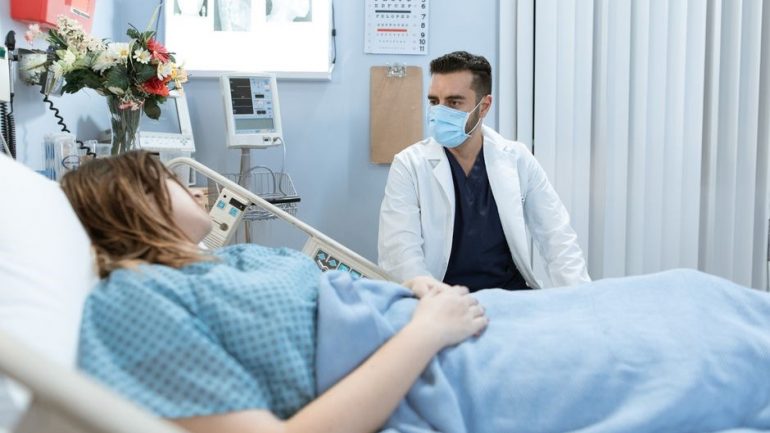
Overview of the Biblical Narrative
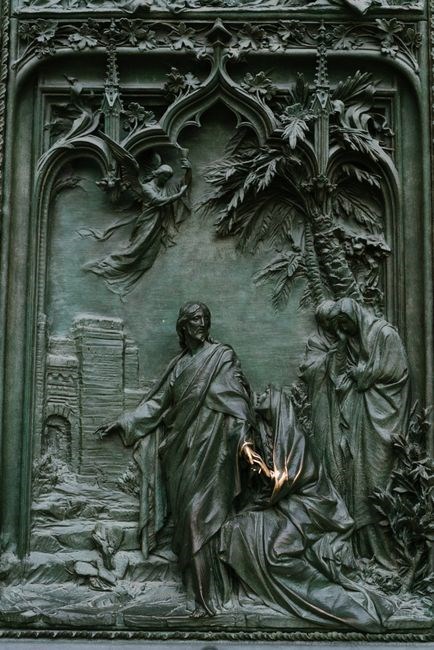
In the Gospels, a woman bleeding years seeks Jesus. Mark 5:24‑34, Matthew 9:20‑22, and Luke 8:43‑48 record her faith, her touch, the miraculous healing that restores her health and dignity. Faith breaks barriers, showing belief heals beyond doubt. Witnesses the miracle, Jesus affirms faith restores hope.
Locations in the Gospels
In the Gospel accounts, the woman’s encounter with Jesus unfolds in distinct geographic settings that underscore the narrative’s theological depth. In Mark 5:24‑34, the scene takes place in the bustling city of Jerusalem, where Jesus is surrounded by a crowd of seekers and healers. The city’s political and religious tensions amplify the urgency of the woman’s plea, as she is physically and socially marginalized by her chronic bleeding. The narrative then moves to the rural environs of Capernaum, as recorded in Luke 8:43‑48, where Jesus is teaching on a boat and the crowd presses close to the shore. The setting of the boat on the Sea of Galilee creates a symbolic space of transition, echoing the woman’s own journey from suffering to restoration. Matthew 9:20‑22, meanwhile, situates the event in a more intimate setting, with Jesus teaching in a house where the woman is hidden among the people, her presence almost invisible yet profoundly impactful. Each location—Jerusalem’s crowded streets, the boat’s quiet dock, the house’s private interior—serves to highlight the contrast between the woman’s perceived impurity and Jesus’ willingness to reach into the margins. The geographic shifts also reflect the broader movement of Jesus’ ministry from the heart of the Jewish world to the peripheral regions, inviting readers to consider how faith can cross cultural and physical boundaries. By mapping the narrative onto these varied landscapes, the Gospels invite readers to recognize that divine compassion is not confined to a single place but is available wherever there is genuine belief and a desire for healing. Thus, the locations in the Gospels are not mere backdrops; they are integral to understanding the transformative power of faith in the woman’s story. Faith endures beyond time!
Chronology of the Woman’s Suffering
For twelve years the woman endured a relentless, uncontrollable flow of blood that left her physically exhausted and socially ostracized. According to the Gospel accounts, her condition rendered her “unclean” under the Mosaic law, preventing her from entering the synagogue or participating in communal rites. Each day she would gather her few remaining clothes, cover her face, and retreat to the outskirts of the town, where she could hide her shame. Her family, though sympathetic, could not offer a cure, and the local physicians, who treated her with ointments and herbs, reported no improvement, deepening her sense of hopelessness. The chronic hemorrhage also caused severe anemia, leading to fatigue, dizziness, and fainting spells that forced her to rest for hours after each episode. Despite the physical toll, she clung to a fragile hope, believing that a single touch of Jesus’ garment could break the curse; She spent years traveling to Jerusalem, hoping to find a miracle, but each attempt ended in disappointment. The narrative reaches its climax when she finally meets Jesus in a crowded crowd, pushing through the throng and touching his cloak. The moment her cloth touches his garment, the bleeding stops instantly, and she feels an overwhelming sense of relief and healing. This event marks the end of her suffering and the beginning of a new chapter of health and dignity. Her faith journey continues to inspire hope across generations today now.

Theological Themes and Lessons
Faith, hope, and converge in the narrative. The woman’s persistent trust in Jesus illustrates that belief can pierce barriers. Her healing underscores God’s mercy, affirming that faith, even in smallest act, can transform suffering into restoration. and hope all in faith.!
Faith and Persistence
The narrative of the bleeding woman, recorded in Mark 5:24‑34, Matthew 9:20‑22, and Luke 8:43‑48, presents a profound illustration of unwavering faith. For twelve years she endured relentless bleeding, a condition that not only weakened her physically but also isolated her socially. Despite this, she persisted in seeking Jesus, believing that a mere touch would bring healing;
Her persistence is a testament to the power of steadfast belief. Even when the crowd attempted to block her, she pressed forward, demonstrating that faith often requires perseverance through obstacles. The Gospel writers emphasize that her faith was the catalyst for her healing, underscoring the principle that belief can transform suffering into restoration.
Moreover, the woman’s story highlights the importance of personal initiative in spiritual practice. She did not wait for a formal invitation; she moved toward Jesus with confidence, trusting that His compassion would meet her needs. This proactive approach serves as a model for believers, encouraging them to approach God with boldness and conviction.
In addition, the narrative invites reflection on the nature of divine grace. The healing is not merely a physical cure but a restoration of dignity and purpose. By overcoming her condition, she re-entered communal life, illustrating how faith can restore both body and spirit. The story thus encourages believers to persist in faith, trusting that God’s grace can overcome even the most enduring afflictions.Hope endures, faith prevails!
Touch and Healing
The account of the bleeding woman in Mark 5:24‑34, Matthew 9:20‑22 reveals a pivotal moment when a single touch initiates restoration. Despite her years of suffering, she approached Jesus with a bold act—her hand brushed the fringe of His garment. The narrative records Jesus’ immediate awareness of the bleeding, followed by a compassionate inquiry, “Who touched me?” The woman’s confession, “I have been bleeding for twelve years,” triggers the miraculous cessation of her hemorrhage and a profound sense of belonging. This event underscores the power of contact as a conduit for spiritual healing, illustrating that faith coupled with a gesture can break barriers of illness and social stigma. The Gospel writers emphasize the woman’s humility and the crowd’s astonishment, framing the touch as a symbolic bridge between human fragility and divine grace. The healing not only restores bodily health but also reinstates her social identity, allowing her to return to worship without fear of contamination. The story invites modern readers to recognize that faith expressed through action—whether a touch, prayer, or service—can invoke divine intervention, reminding believers that God’s healing is accessible to those who persist in earnest pursuit. The narrative also serves as a theological affirmation that the Messiah’s compassion transcends physical boundaries, affirming that every act of faith, however small, can catalyze profound transformation. Thus, the touching of Jesus becomes a timeless lesson in the interplay between human initiative and divine response, encouraging believers to act with courage and hope. The story remains a powerful testament to the enduring truth that touch, faith, and healing are inseparable in the divine narrative for all hope!!
Jesus’ Compassion
In the Gospel narrative, Jesus’ compassion is vividly portrayed through His encounter with the woman suffering from chronic bleeding. When she approached Him, He did not dismiss her pain; instead, He acknowledged her faith and offered immediate relief. The miracle of her healing—her blood stopping and her body restored—demonstrates that compassion transcends mere pity; it is an active, transformative power that restores dignity and hope. Jesus’ response, “Take heart; your faith has healed you,” underscores that compassion is coupled with affirmation of faith, encouraging believers to trust in divine care. This episode also highlights the inclusive nature of Jesus’ compassion, as He reached beyond societal stigma to embrace the marginalized. The narrative encourages modern readers to emulate this compassionate stance—actively listening, offering support, and affirming the inherent worth of those in distress. By following Jesus’ example, individuals can foster communities where compassion becomes a catalyst for healing, both spiritually and physically, reminding us that divine empathy is available to all who seek it with sincere faith!!! Additionally, the narrative invites believers to practice humility, recognizing that even the smallest act—such as a gentle touch or a whispered prayer—can open the gates of divine grace. By embracing this model, communities can cultivate an environment where compassion is not merely an abstract concept but a lived reality that heals hearts, restores hope, and strengthens faith across gener
Medical Context of Chronic Menorrhagia
Chronic menorrhagia, often lasting years, can stem from uterine fibroids, hormonal imbalance, or malignancy. It leads to heavy bleeding, causing iron‑deficiency anemia, fatigue, and impaired quality of life. Early diagnosis and treatment are vital. Early careOK.
Causes and Symptoms

Chronic menorrhagia, defined as excessive menstrual flow lasting longer than 7 days or exceeding 80 mL per cycle, can arise from a spectrum of gynecologic conditions. Structural abnormalities such as uterine fibroids, adenomyosis, or polyps often produce heavy bleeding by enlarging the uterine cavity or disrupting normal endometrial shedding. Endocrine disorders, including thyroid dysfunction, polycystic ovary syndrome, or luteal phase defects, alter hormonal regulation of the menstrual cycle, leading to prolonged or irregular bleeding. Coagulopathies, such as von Willebrand disease or platelet function defects, impair clot formation and exacerbate menstrual loss. In some cases, malignancies of the endometrium or cervix present with abnormal bleeding that may mimic chronic menorrhagia. Symptoms accompanying prolonged bleeding include pallor, fatigue, dizziness, and shortness of breath due to iron‑deficiency anemia; patients may also report pelvic pain, urinary frequency, or a feeling of heaviness in the lower abdomen. Early recognition of these signs and timely evaluation with pelvic imaging, endometrial sampling, and laboratory studies are essential for accurate diagnosis and effective management.
Patients experiencing chronic menorrhagia should seek medical evaluation promptly. A pelvic ultrasound and laboratory tests for anemia and coagulation can guide treatment. Early intervention with hormonal therapy or surgical options may reduce blood loss, improve quality of life, and prevent long‑term complications. Monitor symptoms closely daily
Risks of Iron-Deficiency Anemia
Iron‑deficiency anemia (IDA) is the most common sequela of chronic menorrhagia, presenting with microcytic, hypochromic red cells that impair oxygen delivery to tissues. The cumulative loss of blood over months depletes iron stores, leading to decreased hemoglobin synthesis and reduced cardiac output. Clinically, patients develop fatigue, pallor, dyspnea on exertion, and tachycardia, which can precipitate heart failure in severe cases. Cognitive deficits, including impaired concentration and memory lapses, arise from cerebral hypoxia, affecting academic and occupational performance. The immune system is compromised; neutrophil function and cytokine production decline, increasing susceptibility to infections. Neuromuscular manifestations such as restless legs syndrome and peripheral neuropathy may appear, further limiting daily activities. In pregnant women, IDA elevates the risk of preterm delivery, low birth weight, and perinatal mortality. Long‑term, untreated anemia can cause cardiac remodeling, arrhythmias, and reduced exercise tolerance. Early recognition through hemoglobin, ferritin, and transferrin saturation testing, followed by iron supplementation or dietary adjustments, mitigates these risks and restores functional capacity. Patients who recognize the signs early and pursue appropriate iron therapy or dietary changes often experience a rapid reversal of fatigue, improved cognitive function, and a return to normal daily activities, underscoring the profound impact of timely medical intervention on overall well‑being.resilience.hope
Application for Modern Readers
Modern readers can draw hope from the woman’s faith, learning to seek help, trust healing, and share compassion. Her story encourages persistence, community support, and medical advocacy, reminding us that faith and science together can restore health and dignity. Let faith guide healing faith hope.!! hope.
Spiritual Practices for Those Facing Physical Suffering
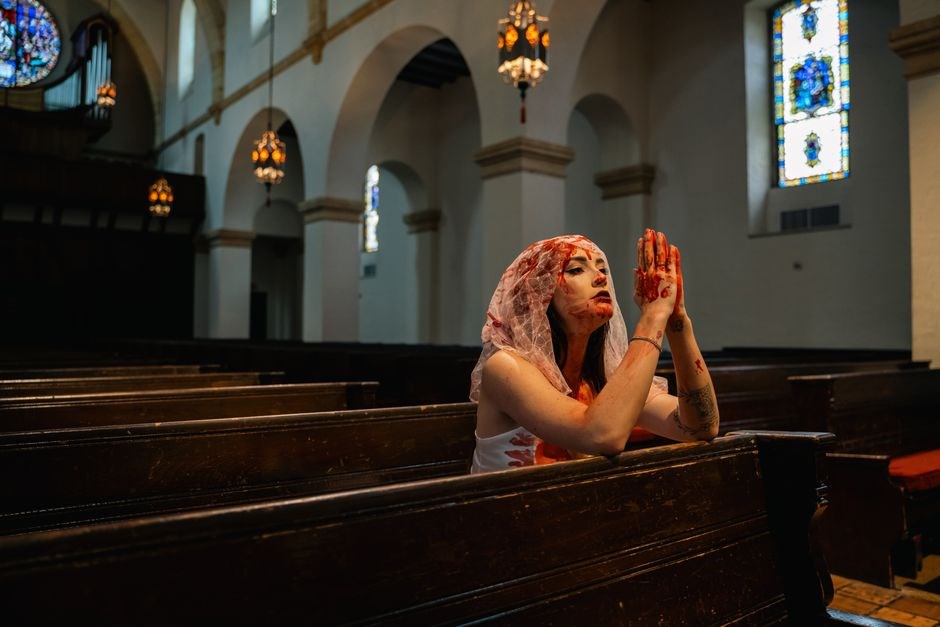
Drawing from the narrative of the woman with the issue of blood, modern readers can adopt focused spiritual disciplines that echo her faith, persistence, and trust in divine healing. The following practices weave scriptural insight, prayerful action, and communal support, offering a holistic path to restoration.
- Faith‑Centered Prayer: Begin each day with a concise, heartfelt petition, echoing the woman’s belief that touching Jesus would bring relief. Use Scripture such as Mark 5:34, “Your faith has made you well,” to anchor the prayer, and repeat it whenever doubt or pain surfaces.
- Scripture Meditation: Meditate on verses that emphasize healing, perseverance, and divine presence. Meditate on passages like Matthew 9:22, “You are healed,” and let the words settle into the heart, creating a mental refuge during physical distress;
- Community Witnessing: Share personal struggles with trusted friends or support groups. The woman’s story shows that communal testimony can reinforce faith; likewise, hearing others’ prayers and encouragement can sustain hope.
- Acts of Service: Offer small acts of kindness to those in need, mirroring Jesus’ compassion. Service redirects focus from suffering to purpose, reinforcing the belief that divine love operates through human hands.
- Mindful Reflection: Keep a journal documenting symptoms, emotional responses, and moments of perceived healing. Reflect on how faith intersects with medical treatment, noting progress and setbacks to foster gratitude.
Faith, hope, action echo the woman’s healing journey with grace and hope
Encouragement for Youth Study Groups
In the story of the woman with the issue of blood, youth groups can learn how faith, persistence, and community transform suffering into testimony. The narrative shows a woman who, after twelve years of relentless bleeding, approached Jesus with a single act of courage: touching his garment. Her story becomes a template for young believers to confront personal trials with boldness, hope, and collective support. By studying this passage, students can identify key steps: 1) Recognize the problem and seek help; 2) Approach with humility and belief; 3) Receive affirmation that faith is powerful. The text also highlights the importance of prayer, encouragement from peers, and the willingness to step into the unknown. Youth leaders can facilitate discussions that ask: “What does it mean to touch the divine in everyday life?” and “How can we support each other when we feel weak?” These questions help develop empathy, strengthen group cohesion, and reinforce the idea that divine grace is accessible to all who dare to act. The story also reminds us that healing is not only physical but spiritual, and that the journey toward recovery can inspire others. By sharing personal testimonies, the group can create a safe space for vulnerability, allowing each member to feel seen, heard, and loved. This practice cultivates resilience, nurtures faith, and encourages a culture of mutual care that echoes the woman’s experience of being healed through faith and action.
Creativity, prayer, and shared stories deepen faith, making the lesson tangible for each member. Together