Rubio Monocoat Oil Plus 2C Instructions: A Comprehensive Guide
Rubio Monocoat Oil Plus 2C is a revolutionary‚ single-coat wood finish offering both color and protection for diverse projects like flooring and furniture.
This guide details application‚ care‚ and troubleshooting‚ ensuring a beautiful‚ durable‚ and naturally finished wood surface with minimal effort and maximum results.
Rubio Monocoat Oil Plus 2C represents a significant advancement in wood finishing technology. Unlike traditional systems requiring multiple coats and lengthy drying times‚ this innovative product delivers color and protection in a single application. This unique formulation‚ a hard wax oil‚ penetrates deeply into the wood pores‚ creating a durable and water-resistant finish while enhancing the natural beauty and feel of the wood grain.
Developed for both professionals and DIY enthusiasts‚ Oil Plus 2C is incredibly versatile‚ suitable for flooring‚ furniture‚ cabinetry‚ millwork‚ and virtually any wood project imaginable. Its ease of use‚ combined with exceptional results‚ has made it a favorite among woodworkers and designers. This guide will provide a comprehensive overview of the application process‚ ensuring a successful and long-lasting finish. Access application videos and TDS documents online for further assistance.
What is Rubio Monocoat Oil Plus 2C?
Rubio Monocoat Oil Plus 2C is a premium‚ plant-based hard wax oil finish designed to protect and beautify wood surfaces. It’s not simply a stain or a sealant; it’s a combined system that colors and protects in a single coat‚ simplifying the finishing process significantly. The “2C” denotes a two-component system‚ requiring mixing before application to initiate the curing process and enhance durability.
This unique oil penetrates deeply into the wood‚ creating a molecular bond rather than sitting on top. This results in a highly durable‚ water-resistant‚ and breathable finish that won’t crack or peel. Available in over 40 standard colors‚ Oil Plus 2C allows for extensive customization and showcases the natural character of various wood species like Oak‚ Maple‚ Walnut and more. It’s a sustainable and eco-friendly choice for interior wood finishing.
Key Features and Benefits
Rubio Monocoat Oil Plus 2C boasts several key advantages for wood finishing. Its most significant benefit is the single-coat application‚ saving time and labor compared to traditional multi-coat systems. The oil’s deep penetration creates a durable‚ hard-wearing finish resistant to scratches‚ water‚ and common household stains.
Furthermore‚ it’s a breathable finish‚ allowing moisture to escape from the wood‚ preventing blistering and promoting longevity. The plant-based formula is eco-friendly and VOC-compliant‚ contributing to a healthier indoor environment. Oil Plus 2C enhances the natural beauty of wood‚ offering a wide range of color options and allowing for easy color matching and customization. It’s suitable for flooring‚ furniture‚ cabinetry‚ and various other wood projects.
Preparation for Application
Proper wood preparation is crucial for optimal Rubio Monocoat adhesion and finish quality. This involves thorough cleaning and sanding to create a receptive surface.
Wood Surface Preparation
Effective wood surface preparation is paramount for achieving a flawless Rubio Monocoat Oil Plus 2C finish. Begin by ensuring the wood is structurally sound‚ free from loose fibers‚ and any existing coatings. Previously finished surfaces require complete removal down to bare wood using appropriate methods like sanding or stripping.
New wood should be lightly sanded to open the pores and create a mechanical key for the oil to grip. Avoid using chemical wood conditioners‚ as they can interfere with the oil’s penetration. The goal is a clean‚ dry‚ and uniformly textured surface. Addressing any imperfections‚ such as dents or scratches‚ before application will significantly enhance the final result. Remember‚ the quality of the preparation directly impacts the longevity and appearance of your finish.
Cleaning the Wood Surface
Thorough cleaning is a crucial step before applying Rubio Monocoat Oil Plus 2C. Begin by removing all dust‚ dirt‚ and debris using a vacuum with a soft brush attachment. Following this‚ wipe the surface down with a clean cloth dampened with water. For stubborn grime or residues‚ a mild detergent solution can be used‚ but ensure it’s thoroughly rinsed and the wood is completely dry before proceeding.
Avoid using harsh chemicals or abrasive cleaners‚ as these can damage the wood or leave behind residues that interfere with oil penetration. Allow the wood to dry completely – typically 24 hours – to ensure optimal adhesion. A clean surface guarantees a uniform finish and prevents potential issues like blotchiness or poor durability. Proper cleaning sets the stage for a beautiful and long-lasting result.
Sanding Recommendations
Proper sanding is vital for achieving an optimal finish with Rubio Monocoat Oil Plus 2C. Begin with the appropriate grit sandpaper based on the wood’s condition – typically 120-grit for initial leveling‚ followed by 180-grit for smoothing. For previously finished wood‚ ensure all old coatings are entirely removed. Always sand with the grain to avoid unsightly scratches.
After sanding‚ thoroughly remove all sanding dust using a vacuum and tack cloth. The surface should be smooth and free of imperfections. Rubio Monocoat penetrates the wood‚ so a well-prepared surface maximizes absorption and color uniformity. Avoid sanding beyond 220-grit‚ as excessively smooth surfaces can hinder oil penetration. A consistent sanding pattern ensures even color distribution and a professional-looking result;
Application Process
Applying Rubio Monocoat Oil Plus 2C is remarkably simple‚ typically requiring only a single coat for color and protection‚ saving time and effort during projects.
Tools Required for Application
Successful application of Rubio Monocoat Oil Plus 2C relies on having the correct tools readily available. While the process is straightforward‚ proper implements ensure optimal results and a professional finish. You’ll need a clean‚ lint-free cloth – microfiber is highly recommended – for application.
Avoid using abrasive materials that could leave residue. For larger surfaces‚ consider a flat pad applicator designed for oils and waxes; these distribute the product evenly. A brush with synthetic bristles can be useful for detailed work or edges.
Always have clean rags on hand for wiping off excess oil within the working time. Disposable gloves are essential to protect your skin‚ and a container for the oil is needed. Finally‚ ensure adequate ventilation in the workspace‚ and consider using a stir stick to properly mix the product before use.
Applying the First Coat – Oil Plus 2C
Applying the first coat of Rubio Monocoat Oil Plus 2C is remarkably simple‚ embodying the product’s one-coat system philosophy. Begin by applying a generous amount of oil to a small area of the wood surface. Using a clean cloth‚ flat pad‚ or brush‚ work the oil into the wood‚ ensuring complete saturation.
Don’t simply apply a surface layer; the goal is deep penetration. Continue this process across the entire surface‚ maintaining a wet edge to avoid lap marks.
After approximately 5-10 minutes‚ carefully wipe off any standing oil with a clean‚ lint-free cloth. This is crucial! The wood will appear saturated immediately after application‚ but removing excess oil is key to preventing stickiness and ensuring proper curing. Remember‚ one coat is all you need for color and protection.
Working Time and Drying Time
Rubio Monocoat Oil Plus 2C offers a generous working time‚ typically between 6-8 hours‚ allowing ample opportunity to apply and work the oil into the wood surface without premature drying. This extended timeframe is particularly beneficial for larger projects.
However‚ drying time is relatively quick compared to traditional finishes. The oil is typically dry to the touch within 6-24 hours‚ depending on environmental conditions like temperature and humidity. Full curing‚ achieving maximum durability and resistance‚ takes approximately 72 hours.
Avoid heavy traffic or placing objects directly on the finished surface during the initial 72 hours to ensure optimal hardening. Proper ventilation during drying is also recommended for best results.
Application on Different Wood Species
Rubio Monocoat Oil Plus 2C excels in its versatility‚ performing beautifully on a wide array of wood species. The finish interacts uniquely with each wood’s natural characteristics‚ enhancing its grain and color.
When applying to softer woods like Pine‚ expect quicker absorption‚ potentially requiring a slightly more generous application; Harder woods‚ such as Walnut or Maple‚ may require a bit more working time to ensure proper penetration.
White Oak‚ Red Oak‚ Cedar‚ and Hickory all showcase stunning results with Oil Plus 2C. Viewing color samples on the specific wood species you’re using is highly recommended‚ as the final appearance can vary. Always prepare the wood surface appropriately for optimal adhesion‚ regardless of the species.
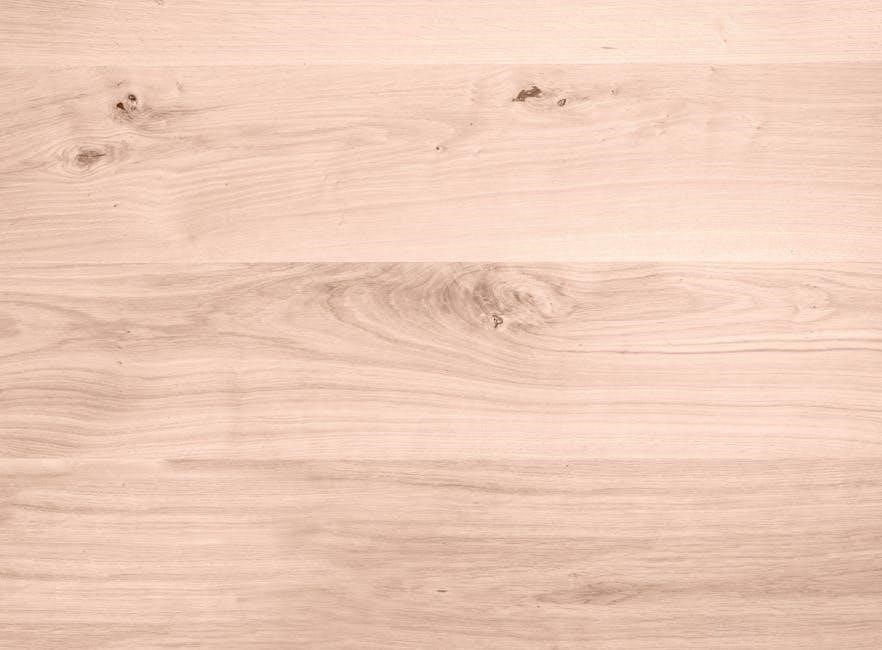
Color Selection and Options
Rubio Monocoat Oil Plus 2C boasts over 40 standard colors‚ offering extensive customization possibilities for your wood finishing projects‚ ensuring a perfect match.
Available Standard Colors (40+)
Rubio Monocoat Oil Plus 2C presents an impressive palette of over 40 standard colors‚ designed to enhance the natural beauty of wood while providing lasting protection. This extensive range caters to diverse aesthetic preferences‚ from classic neutrals to bold‚ contemporary hues.
The color selection is carefully curated to complement various wood species‚ ensuring optimal results. To aid in your decision-making process‚ Rubio Monocoat provides visual references showcasing how each color appears on seven different wood types: White Oak‚ Red Oak‚ Cedar‚ Hickory‚ Walnut‚ Pine‚ and Maple.
These visual guides are invaluable for accurately predicting the final finish on your specific project. Beyond the standard offerings‚ Rubio Monocoat also facilitates color matching and customization‚ allowing you to create truly unique and personalized finishes. Explore the full spectrum of possibilities and discover the perfect shade to bring your vision to life.
Color Matching and Customization
Rubio Monocoat Oil Plus 2C doesn’t limit you to its extensive standard palette; color matching and complete customization are readily achievable. If you require a precise shade to match existing décor or a unique color to fulfill a specific design vision‚ Rubio Monocoat offers solutions.
Their expert team can expertly match colors based on samples you provide‚ ensuring a seamless integration with your project’s overall aesthetic. Furthermore‚ the system allows for the creation of bespoke colors by blending different Rubio Monocoat shades.
This flexibility empowers you to achieve a truly personalized finish‚ perfectly tailored to your individual preferences. Detailed technical data sheets (TDS) and application instructions are available online to guide you through the customization process‚ ensuring professional-quality results every time.
Viewing Colors on Different Wood Types
Rubio Monocoat Oil Plus 2C colors appear differently depending on the wood species‚ grain pattern‚ and existing undertones. It’s crucial to visualize the finish on your specific wood before committing to a full application.
Rubio Monocoat USA provides valuable resources‚ showcasing color views on seven common wood types: White Oak‚ Red Oak‚ Cedar‚ Hickory‚ Walnut‚ Pine‚ and Maple. These visual aids offer a realistic preview of how each color will translate onto various surfaces.
However‚ it’s always recommended to test the chosen color on an inconspicuous area of your project wood. This allows you to assess the final appearance and ensure it aligns with your expectations. Consider the wood’s natural characteristics‚ as they significantly influence the perceived color.
Post-Application Care and Maintenance
Rubio Monocoat finishes are remarkably durable‚ yet simple care maintains their beauty. Regular cleaning with pH-neutral products preserves the finish‚ while spot repairs are easily achievable.
Cleaning and Maintenance Procedures
Rubio Monocoat Oil Plus 2C finished surfaces require minimal maintenance for lasting beauty. For routine cleaning‚ utilize a pH-neutral soap or cleaner specifically designed for finished wood. Avoid harsh chemicals‚ abrasive cleaners‚ and excessive water‚ as these can compromise the finish over time.
Damp mop or wipe the surface‚ ensuring the cloth is only slightly wet. Immediately dry any excess moisture to prevent water damage. For heavily soiled areas‚ a slightly stronger pH-neutral solution can be used‚ followed by a clean water rinse and thorough drying. Regular dusting with a soft cloth will also help maintain the finish’s appearance.
Avoid using steam mops or cleaning systems that introduce large amounts of water. Consistent‚ gentle cleaning practices will preserve the natural look and protective qualities of your Rubio Monocoat finish for years to come‚ minimizing the need for extensive restoration.
Spot Repairing and Touch-Ups
Rubio Monocoat Oil Plus 2C allows for easy spot repairs‚ minimizing the need for full refinishing. For minor scratches or blemishes‚ lightly sand the affected area with fine-grit sandpaper (220-320 grit) to smooth the surface. Remove any sanding dust thoroughly.
Apply a small amount of the corresponding Oil Plus 2C color directly to the repaired area using a clean cloth or brush. Allow the finish to absorb for 5-10 minutes‚ then wipe off any excess with a clean‚ dry cloth. Ensure even distribution for a seamless blend.
For deeper scratches‚ you may need to repeat the application process. It’s crucial to use the exact color matched to the original finish to avoid noticeable differences. Always test the repair in an inconspicuous area first to confirm color compatibility and achieve optimal results‚ maintaining the wood’s natural beauty.
Re-Application Guidelines
Rubio Monocoat Oil Plus 2C is designed for longevity‚ often requiring minimal re-application. However‚ high-traffic areas or surfaces exposed to frequent wear may benefit from periodic maintenance. Before re-applying‚ ensure the surface is clean and free of any existing waxes or polishes.
Lightly sand the surface with very fine-grit sandpaper (320-400 grit) to create a receptive surface. Remove all sanding dust meticulously. Apply a fresh coat of Oil Plus 2C‚ following the original application instructions – a thin‚ even coat is key.
Avoid over-saturation; wipe off any excess after 5-10 minutes. Re-application restores the protective layer and revitalizes the color. Typically‚ re-coating is only needed every 5-10 years‚ depending on usage and environmental factors‚ preserving the wood’s natural aesthetic.

Troubleshooting Common Issues
Rubio Monocoat application can sometimes present challenges like uneven color or a sticky finish; proper preparation and technique are crucial for optimal results and easy fixes.
Uneven Color Application
Uneven color application with Rubio Monocoat Oil Plus 2C often stems from inconsistent application or inadequate surface preparation. Ensure the wood is thoroughly cleaned and sanded to a uniform texture before applying the finish;
When applying‚ work quickly and maintain a wet edge to avoid lap marks. Use a clean‚ lint-free cloth or applicator pad‚ and avoid over-saturating the wood. If you notice inconsistencies during application‚ immediately blend the area with a clean cloth.
For minor unevenness after drying‚ a light second coat can often rectify the issue‚ but test in an inconspicuous area first. Remember‚ Rubio Monocoat is designed for a single coat‚ so excessive application can lead to other problems. Viewing colors on different wood species (White Oak‚ Red Oak‚ Maple etc.) beforehand can also help manage expectations.
Sticky or Tacky Finish
A sticky or tacky finish after applying Rubio Monocoat Oil Plus 2C typically indicates excessive application or insufficient drying time. The product is designed as a single-coat system‚ and over-saturation prevents proper curing.
Ensure adequate ventilation during application and drying‚ as temperature and humidity significantly impact curing. If the finish remains tacky after the recommended drying time‚ gently wipe the surface with a clean‚ lint-free cloth dampened with mineral spirits. This removes excess oil without damaging the finish.
Avoid applying in humid conditions. If the problem persists‚ it could indicate incompatibility with the wood species or a pre-existing contaminant on the surface. Always refer to the TDS (Technical Data Sheet) for specific guidance and testing recommendations.
Addressing Surface Imperfections
Rubio Monocoat Oil Plus 2C enhances‚ but doesn’t hide‚ existing wood imperfections. Minor scratches or dents can be subtly minimized by the finish’s depth and color. For more significant flaws‚ proper wood preparation is crucial before application.
Small imperfections can sometimes be addressed after the initial coat. Carefully apply a tiny amount of matching color Oil Plus 2C directly to the blemish‚ allowing it to sit for a few minutes before wiping away excess. Avoid over-application‚ as this can create a noticeable patch.
Deep scratches or gouges require wood filler‚ sanded flush with the surface‚ before applying the finish. Always test any repair material for compatibility to ensure proper adhesion and color matching with the Oil Plus 2C.
Safety Precautions
Always ensure adequate ventilation during application and wear appropriate Personal Protective Equipment (PPE)‚ including gloves and respirators‚ for safe handling and disposal.
Ventilation Requirements
Proper ventilation is crucial when working with Rubio Monocoat Oil Plus 2C. This product contains solvents that release vapors during application and drying. Always work in a well-ventilated area to minimize inhalation of these fumes.
Open windows and doors to create cross-ventilation‚ or utilize mechanical ventilation such as exhaust fans. If working in a confined space‚ consider using a respirator specifically designed for organic vapors. The goal is to maintain air circulation and keep solvent concentrations below recommended exposure limits.
Avoid working in poorly ventilated areas or during periods of high humidity‚ as this can prolong drying times and increase vapor concentration. Ensure continuous airflow throughout the application and drying process for a safe and healthy working environment. Prioritize respiratory protection when ventilation is limited.
Personal Protective Equipment (PPE)
Protecting yourself during Rubio Monocoat Oil Plus 2C application is paramount. Always wear appropriate Personal Protective Equipment (PPE) to minimize exposure. This includes solvent-resistant gloves‚ such as nitrile or neoprene‚ to prevent skin contact and absorption.
Eye protection‚ like safety glasses or goggles‚ is essential to shield your eyes from splashes or vapors. Consider wearing a respirator with organic vapor cartridges‚ especially in poorly ventilated areas‚ to avoid inhaling fumes. Protective clothing‚ such as a long-sleeved shirt and pants‚ will further minimize skin exposure.
Ensure your PPE is in good condition and fits properly. Remove any contaminated clothing immediately and wash thoroughly with soap and water. Prioritize your health and safety by consistently using the recommended PPE throughout the entire application and cleanup process.
Disposal of Waste Materials
Proper disposal of Rubio Monocoat Oil Plus 2C waste materials is crucial for environmental responsibility and adherence to local regulations. Do not pour leftover product or cleaning solvents down the drain or into the environment. These materials are considered hazardous waste and require specific handling.
Soaked rags‚ applicators‚ and containers with residual product should be placed in a sealed‚ labeled container designed for flammable waste. Contact your local waste management authority for guidance on hazardous waste disposal procedures in your area. They can provide information on designated collection sites or disposal services.
Always check and comply with all applicable federal‚ state‚ and local regulations regarding the disposal of oil-based finishes. Responsible disposal protects both the environment and public health.