Western Saddle Size Guide: A Comprehensive Overview
Navigating western saddle sizing involves understanding tree size‚ bar width‚ seat measurements‚ and length—crucial for both horse and rider comfort and performance.
Finding the right fit requires careful consideration of your horse’s conformation and your own physique‚ alongside the discipline you intend to pursue.
Understanding Western Saddle Components
A western saddle’s construction is complex‚ with each part contributing to overall fit and function. The tree forms the saddle’s foundation‚ providing support and distributing rider weight. Cantle and pommel shapes influence rider position and security. The seat dictates rider comfort‚ while bars contact the horse‚ requiring precise width matching to the horse’s conformation.
Gullet width impacts spinal clearance‚ and saddle length must align with the horse’s back length. Saddle weight affects both horse and rider‚ and various saddle pad types can influence fit. Understanding these components is vital for selecting a saddle that promotes equine well-being and rider effectiveness.
Saddle Tree: The Foundation of Fit
The saddle tree is the core structural element‚ traditionally made of wood covered in rawhide. It dictates the saddle’s shape and distributes the rider’s weight across the horse’s back. Trees come in various bar widths and gullet widths‚ influencing fit for different horse conformations.
Quarter horse trees are common‚ featuring a wider bar‚ while Arabian trees are narrower. A properly fitted tree prevents pressure points and allows freedom of movement. Flex trees offer some give‚ adapting to the horse’s motion‚ enhancing comfort and performance.
Cantle and Pommel: Key Fit Points
The cantle and pommel are crucial indicators of saddle fit and rider positioning. The pommel‚ the front of the saddle‚ should allow sufficient clearance over the withers‚ preventing rubbing. The cantle‚ the rear‚ provides support and dictates how securely the rider sits.
A properly fitted pommel won’t restrict shoulder movement‚ while the cantle height influences balance. Higher cantles offer more security‚ suitable for roping‚ while lower cantles allow greater freedom for cutting. Assessing these points ensures both horse comfort and rider effectiveness.
Seat Size: Finding Your Number
Determining the correct seat size is paramount for rider comfort and control. Western saddle seat sizes typically range from 14 to 18 inches‚ but aren’t directly correlated to pant size. A proper fit allows for a balanced seat‚ correct leg position‚ and effortless communication with the horse.
Incorrect sizing can lead to discomfort‚ instability‚ and even injury. Riders should avoid simply guessing; accurate measurement is key. Consider your build‚ leg length‚ and riding discipline when selecting a seat size for optimal performance.
Determining Your Seat Size
Several methods help pinpoint your ideal western saddle seat size. Measuring your seat bones is a foundational step; sit on a padded surface and have someone mark the widest points. A seat size measuring tool offers a more precise assessment‚ simulating saddle contact.
Considering leg length is also vital—longer legs often require a larger seat. Trial and error‚ with guidance from experienced professionals‚ is often necessary. Remember‚ a slightly smaller seat is generally preferable to one that’s too large‚ promoting a secure position.
Measuring Your Seat Bones
Accurately measuring your seat bones is fundamental to finding the correct western saddle seat size. Sit comfortably on a firm‚ yet padded surface—a piece of cardboard works well. Have an assistant mark the most prominent points of your sit bones‚ ensuring you maintain a natural posture.
Measure the distance between these marks; this measurement‚ typically in inches‚ provides a starting point for determining your seat size. Repeat the process several times for accuracy‚ and consider using a flexible measuring tape.
Using a Seat Size Measuring Tool
Specialized seat size measuring tools offer a more precise method than manual measurement. These tools‚ often resembling a flexible ruler with contoured edges‚ conform to your seat bone shape. Position the tool on a padded surface and sit naturally‚ allowing the tool to capture your sit bone placement.
The tool will indicate your approximate seat size‚ often correlating to standard western saddle sizes. This method minimizes errors associated with manual marking and provides a reliable starting point for saddle selection. Always double-check with a trial ride!
Considering Leg Length
Leg length significantly impacts saddle fit and rider balance. Longer legs generally require a wider seat and potentially a longer stirrup length‚ while shorter legs benefit from a narrower seat and shorter stirrups. This ensures proper leg positioning and prevents strain.
Incorrect stirrup length can lead to instability and discomfort. A qualified saddle fitter can assess your leg length and recommend adjustments to optimize your position. Consider your riding discipline‚ as different styles necessitate varying leg lengths for effective control.
Bar Size: Width and Horse Conformation
Bar size refers to the width of the saddle’s tree bars‚ directly influencing how the saddle distributes weight across the horse’s back. Correct bar width prevents pressure points and allows for comfortable movement.
Horses with wider builds require wider bars‚ while narrower horses need more narrow bars. Understanding bar width terminology – like “quarter horse bars” or “full quarter horse bars” – is crucial. Accurate measurement and assessment of your horse’s conformation are essential for selecting the appropriate bar size‚ ensuring a secure and comfortable fit.
Understanding Bar Width Terminology
Western saddle bar width is categorized using terms that indicate the degree of curvature and overall width of the bars. “Quarter Horse” bars are a standard width‚ suitable for many breeds with moderate builds.
“Full Quarter Horse” bars offer a wider fit‚ ideal for broader-backed horses. Narrower options exist for horses with straighter backs or those requiring more clearance over the withers. Understanding these terms‚ alongside numerical measurements‚ helps ensure a precise fit‚ preventing discomfort and maximizing performance for both horse and rider.
Measuring Your Horse’s Bar Size
Accurately measuring your horse’s bar size is vital for saddle fit‚ often requiring a specialized tool or professional assistance. A flexible measuring device can assess the width across the horse’s shoulders‚ ensuring adequate clearance.
Alternatively‚ impression materials can reveal the pressure points and shape of the horse’s back under a saddle pad. Careful observation of the horse’s conformation‚ combined with these measurements‚ provides a comprehensive understanding of the appropriate bar width needed for a comfortable and secure saddle fit.
Assessing Horse Conformation for Bar Size
Evaluating your horse’s conformation is paramount when determining the correct bar size‚ as anatomy dictates saddle fit. Horses with wider shoulders generally require wider bars‚ while those with narrower builds need more streamlined options.
Consider the slope of the shoulder‚ the development of the withers‚ and the overall shape of the back. A horse with high withers may benefit from a bar with more gullet clearance. Careful observation‚ combined with measurements‚ ensures the saddle distributes weight evenly and avoids pressure points‚ promoting comfort and performance.
Saddle Length: Matching to Horse Length
Saddle length is crucial for ensuring proper back coverage and preventing interference with the horse’s shoulders. Measuring from the front of the withers to the last rib provides a baseline for determining the appropriate saddle length.
Generally‚ a saddle should sit approximately two inches ahead of the withers and two inches behind the last rib. However‚ individual horse conformation varies; shorter-backed horses require shorter saddles‚ while longer-backed horses benefit from longer options. Proper length ensures balanced weight distribution and unrestricted movement.
Measuring Saddle Length
Accurately measuring saddle length involves identifying key anatomical points on your horse. Begin by locating the front of the withers‚ the highest point of the shoulder blades. Then‚ find the last rib‚ typically felt as a slight prominence along the horse’s side.
Use a flexible measuring tape to measure the distance between these two points. This measurement‚ in inches‚ represents the approximate saddle length your horse requires. Remember to account for individual variations and consider adding or subtracting an inch based on the horse’s build.
Matching Length to Horse’s Back
Proper saddle length ensures the saddle doesn’t impinge on the horse’s shoulders or extend too far down the back. A saddle that’s too short can concentrate pressure‚ while one that’s too long can cause rubbing and discomfort.
Generally‚ a 15-inch saddle suits horses with a 15-16 inch back length‚ 16-inch saddles fit 16-17 inch backs‚ and 17-inch saddles accommodate 17-18 inch backs. Always prioritize leaving at least 3-4 inches of clearance between the back of the saddle and the horse’s last rib‚ allowing for freedom of movement.
Gullet Width and Channel Space
The gullet width refers to the space under the saddle tree‚ crucial for accommodating the horse’s withers and preventing pressure. Channel space‚ the gap along the horse’s spine under the saddle‚ is equally vital for spinal clearance.
A wider gullet is needed for horses with broader withers‚ while a narrower gullet suits those with higher‚ more defined withers. Adequate channel space—typically 4-6 inches—ensures the horse’s spine isn’t compressed‚ promoting comfort and preventing soreness during riding.
Importance of Gullet Width
Gullet width is paramount for preventing wither interference and ensuring the horse’s freedom of movement. An improperly sized gullet can cause significant discomfort‚ leading to behavioral issues or even physical damage to the withers.
Insufficient width pinches the withers‚ while excessive width can destabilize the saddle. Correct gullet width allows the tree to clear the withers‚ distributing weight evenly across the horse’s back. Regularly checking for wither clearance is essential‚ especially with young horses or those undergoing muscle development.
Checking Channel Space for Comfort
Adequate channel space—the gap under the saddle bars—is vital for spinal clearance and preventing pressure points. A sufficient channel allows the horse’s spine to flex naturally‚ avoiding discomfort and potential injury during movement.
Typically‚ a 4-finger width is recommended‚ though this can vary based on horse conformation. Regularly assess channel space‚ especially after saddle pad compression. Insufficient space restricts spinal movement‚ while excessive space may indicate an improper fit. Prioritize a comfortable and unrestricted environment for the horse’s spine.
Saddle Weight: Considerations for Horse and Rider
Saddle weight significantly impacts both horse and rider comfort and performance; Heavier saddles demand more effort from the horse‚ potentially leading to fatigue‚ especially during extended work. Lighter saddles reduce strain but may compromise durability or stability.
Average weights vary by discipline: roping saddles are typically heaviest‚ followed by cutting‚ then trail saddles. Rider weight and fitness level also play a role; a lighter rider may prefer a lighter saddle. Consider the overall balance and how weight distribution affects the horse’s back.
Average Saddle Weights by Discipline
Western saddle weights differ considerably based on their intended use. Roping saddles‚ built for strength and durability‚ generally weigh between 30-40 pounds‚ due to heavier trees and reinforcements. Cutting saddles‚ prioritizing rider feel‚ typically range from 25-35 pounds‚ offering a lighter profile.
Trail saddles strike a balance‚ averaging 20-30 pounds‚ focusing on comfort for both horse and rider during long rides. Specialized saddles‚ like those for barrel racing‚ can be even lighter. These are approximate ranges; specific saddle construction and materials influence the final weight.
Impact of Weight on Horse’s Back
Saddle weight significantly impacts a horse’s musculoskeletal system. Excessive weight can cause fatigue‚ soreness‚ and even long-term damage to the back muscles and spine. A heavier saddle increases pressure on the horse’s vertebral column‚ potentially leading to discomfort and reduced performance.
Proper saddle fit and weight distribution are crucial to minimize these effects. Regularly assessing your horse for signs of back pain and using a well-fitted saddle pad can help mitigate the negative impacts of saddle weight‚ ensuring equine well-being.
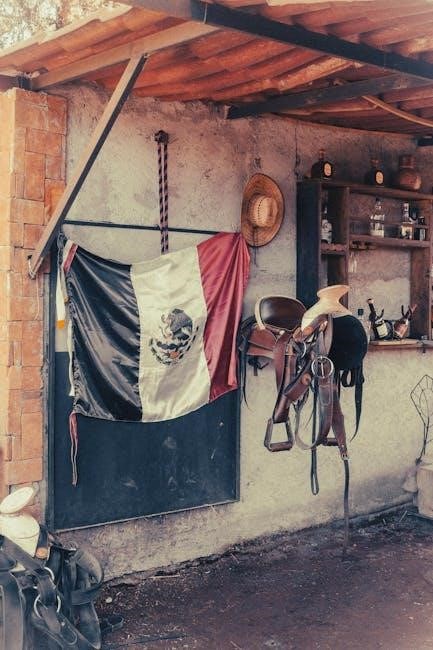
Types of Western Saddles and Sizing Variations
Different western disciplines necessitate unique saddle designs and‚ consequently‚ sizing considerations. Roping saddles are typically heavier with a strong horn and wider bars for secure horse support during roping maneuvers. Trail saddles prioritize rider and horse comfort‚ often featuring a lighter weight and a more flexible tree.
Cutting saddles are designed for quick‚ agile movements‚ demanding a close-contact fit and specialized bar angles. Understanding these variations is vital for selecting a saddle that complements both the rider’s needs and the horse’s build.
Roping Saddles: Size and Features
Roping saddles are built for durability and functionality‚ demanding specific sizing considerations. Typically‚ they feature a wider tree—often 7” to 8”—to distribute weight and provide stability during roping. Bar width is crucial‚ needing to accommodate the horse’s musculature for comfortable‚ powerful turns.
A substantial horn‚ usually 3” to 4” in diameter‚ is essential for securing the rope. Seat sizes generally range from 14” to 16”‚ and saddle weight is considerable‚ averaging 35-45 pounds‚ prioritizing security over lightness.
Trail Saddles: Fit and Comfort
Trail saddles prioritize both horse and rider comfort during extended rides‚ necessitating a focus on balanced fit. These saddles often feature a semi-quarter horse bar‚ accommodating a wider range of conformations. Tree width typically falls between 6.5” and 7.5”‚ offering versatility for various builds.
Lighter weight—around 25-35 pounds—is desirable to reduce fatigue. Seat sizes commonly range from 15” to 17”‚ and features like padded seats and rigging options enhance comfort. Proper gullet width is vital for spinal clearance during varied terrain.
Cutting Saddles: Specialized Sizing
Cutting saddles demand a precise fit to facilitate quick‚ athletic maneuvers‚ requiring specialized sizing considerations. These saddles typically feature a narrower tree—around 6.5” to 7”—and a higher cantle for secure positioning during intense turns. Bar angles are crucial‚ often steeper to accommodate the horse’s hip movement.
Weight distribution is key‚ with a focus on balance and responsiveness. Seat sizes generally range from 14” to 16”‚ and a close-contact design enhances communication. Proper horn placement and size are vital for neck reining and control.
Fitting a Western Saddle: Step-by-Step Guide
Proper saddle fitting is a multi-stage process ensuring optimal comfort and performance for both horse and rider. Begin with initial placement‚ centering the saddle on the horse’s back‚ slightly behind the withers. Check for rocking or rolling by observing saddle stability during movement.
Evaluate pressure points by sliding your hand under the saddle tree‚ feeling for unevenness. Assess the gullet channel for adequate space—typically 4-6 fingers wide. Observe the horse’s reaction‚ looking for signs of discomfort. Adjust pads as needed and re-evaluate.
Initial Saddle Placement
Begin by gently placing the saddle onto the horse’s back‚ positioning it slightly forward of the withers‚ then sliding it back to its final position. This avoids direct pressure on the sensitive withers area. Ensure the saddle is centered‚ with equal space on both sides of the horse’s spine.
Observe the initial contact; the saddle should sit relatively flat without obvious rocking or tilting. A properly placed saddle allows for freedom of movement and distributes rider weight evenly‚ promoting comfort and preventing pressure sores.
Checking for Rocking and Rolling
After initial placement‚ assess the saddle for rocking or rolling motions. Rocking indicates an imbalance front to back‚ often due to incorrect tree angle or saddle length. Rolling signifies side-to-side instability‚ potentially stemming from bar width mismatches or uneven horse musculature.
Have an assistant observe while you mount and dismount‚ noting any saddle movement. A stable saddle remains relatively still‚ maintaining consistent contact with the horse’s back throughout the process. Correcting these issues is vital for preventing discomfort and ensuring a secure ride.
Evaluating Pressure Points
Identifying pressure points is crucial for a comfortable and effective saddle fit. After riding‚ carefully check the horse’s back for any areas of redness‚ sensitivity‚ or sweat patterns indicating concentrated pressure. Pay close attention to the withers‚ spine‚ and areas beneath the cantle and pommel.
Use your hand to feel for heat or tension in these regions. Addressing pressure points often requires adjusting the saddle pad‚ bar width‚ or tree angle to distribute weight more evenly and prevent discomfort for the horse.
Common Fitting Problems and Solutions
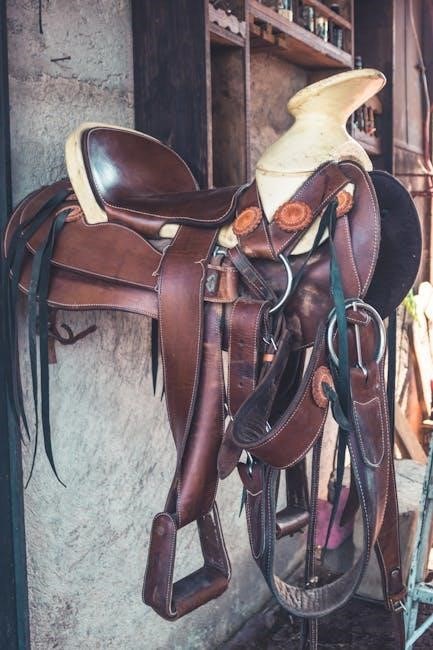
Several issues can arise‚ signaling a poor saddle fit. A saddle slipping forward or backward often indicates an incorrect tree angle or insufficient padding. Pinched withers suggest a narrow tree or improper gullet width‚ causing discomfort and potential sores. Uneven weight distribution can stem from an imbalanced saddle or rider asymmetry.
Solutions include adjusting the tree angle‚ widening the gullet‚ using a correctly fitted saddle pad‚ or seeking professional assistance to modify the saddle or explore alternative options for a better fit.

Saddle Slipping Forward or Backward
Consistent saddle movement indicates a mismatch between the saddle and the horse’s conformation. Slippage forward often results from a tree angle that’s too steep for the horse’s shoulders‚ or an improperly fitted cinch. Conversely‚ backward slippage can occur with a tree angle too flat‚ or insufficient support in the rear of the saddle.
Correcting this involves adjusting the cinch‚ utilizing a padded cinch strap‚ or selecting a saddle with a tree angle better suited to the horse’s build. A professional fitting is recommended.
Pinched Withers
Pinched withers signify insufficient gullet width‚ causing pressure on the horse’s delicate spinal column and shoulder muscles. This is a serious fit issue‚ leading to discomfort‚ pain‚ and potentially long-term damage. Visible signs include white hairs or sensitivity along the withers‚ and the horse resisting saddle placement.
Immediate correction is vital; a wider gullet is necessary. Using a lifting pad may temporarily alleviate pressure‚ but a proper saddle refit by a qualified fitter is crucial for a lasting solution.
Uneven Weight Distribution
Uneven weight distribution indicates an imbalance in saddle fit‚ often stemming from variations in the horse’s musculature or saddle tree asymmetry. This causes unequal pressure on either side of the horse’s back‚ leading to soreness‚ resistance‚ and potentially affecting performance. You might observe the saddle shifting or the horse consistently leading with one shoulder.
Addressing this requires a professional assessment to identify the root cause and potentially utilize saddle pads or tree adjustments to restore balance and even pressure.
Saddle Pads and Their Impact on Fit
Western saddle pads are essential for protecting the horse’s back and significantly influencing overall saddle fit. They act as a cushioning layer‚ absorbing shock and distributing pressure‚ but can also correct minor fit issues. Different materials—felt‚ wool‚ foam‚ or gel—offer varying levels of cushioning and impact absorption.
Choosing the right pad thickness and shape can help lift a saddle off points of pressure or compensate for slight conformational differences‚ improving comfort for both horse and rider.
Types of Western Saddle Pads
Numerous western saddle pad types cater to diverse needs and disciplines. Felt pads are economical and offer moderate cushioning‚ while wool pads provide superior shock absorption and breathability. Foam pads are lightweight and contour well to the horse’s back‚ and gel pads offer exceptional pressure distribution.
Specialty pads‚ like those with pockets or cut-outs‚ address specific fit challenges. Quilted pads add extra cushioning and style‚ and therapeutic pads incorporate features for horses with sensitive backs. Selecting the appropriate pad depends on your horse’s conformation and your riding activity.
Using Pads to Correct Minor Fit Issues
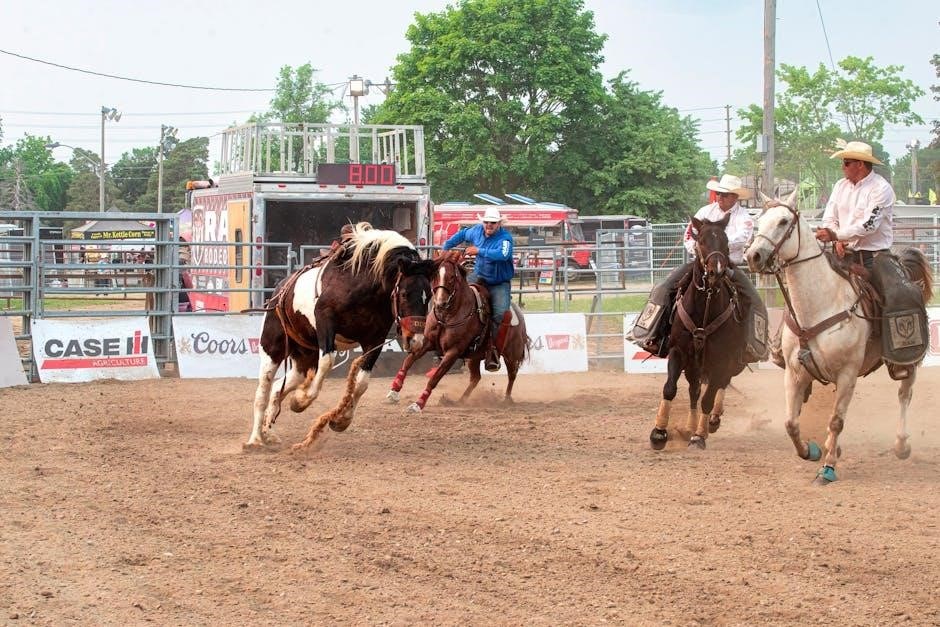
Saddle pads can sometimes mitigate minor fit discrepancies‚ but they aren’t a substitute for a properly fitted saddle. A well-placed pad can lift the saddle slightly to relieve pressure on the withers or adjust for a mild swayback.
However‚ pads shouldn’t be relied upon to fix significant fit problems. Shimming pads can address minor asymmetry‚ but excessive padding can create new pressure points. Always prioritize a professional saddle fit assessment before attempting corrections with pads.
Professional Saddle Fitting Services
Engaging a qualified saddle fitter offers invaluable expertise in achieving optimal horse and rider harmony. A professional assesses your horse’s conformation‚ gait‚ and muscle development‚ alongside your riding style and physique.
They’ll evaluate saddle tree angle‚ bar width‚ and channel space‚ identifying potential pressure points. Benefits include improved horse comfort‚ enhanced performance‚ and prevention of musculoskeletal issues. Finding a certified fitter ensures a thorough evaluation and tailored recommendations for saddle selection or adjustments.
Benefits of a Professional Fitting
A professional saddle fitting delivers numerous advantages‚ prioritizing equine well-being and rider effectiveness. Expert assessment identifies potential pressure points‚ preventing discomfort and musculoskeletal problems in your horse.
Improved saddle stability enhances rider security and balance‚ leading to more effective communication and control. Correct fit maximizes the horse’s athletic potential‚ promoting freedom of movement and performance. Ultimately‚ a professional fitting safeguards your investment‚ ensuring a long-lasting‚ comfortable partnership.
Finding a Qualified Saddle Fitter
Locating a skilled saddle fitter requires diligent research and careful consideration. Seek fitters certified by reputable organizations‚ demonstrating a commitment to ongoing education and best practices.
Prioritize those with extensive experience fitting a variety of horses and saddles‚ showcasing adaptability and problem-solving skills. Request references from fellow equestrians and inquire about their fitting process. A qualified fitter will conduct a thorough evaluation of both horse and rider‚ offering tailored recommendations and adjustments for optimal comfort and performance.
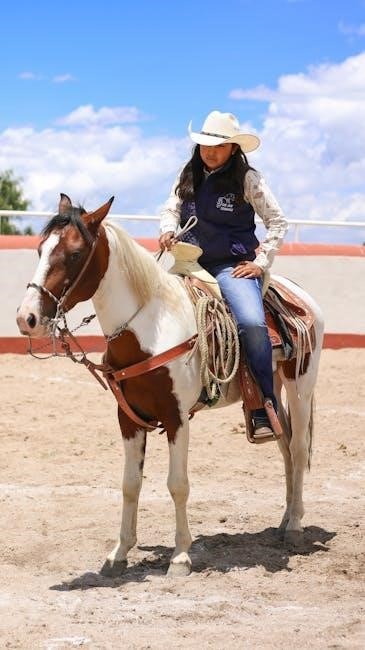
Adjusting Saddle Fit Over Time
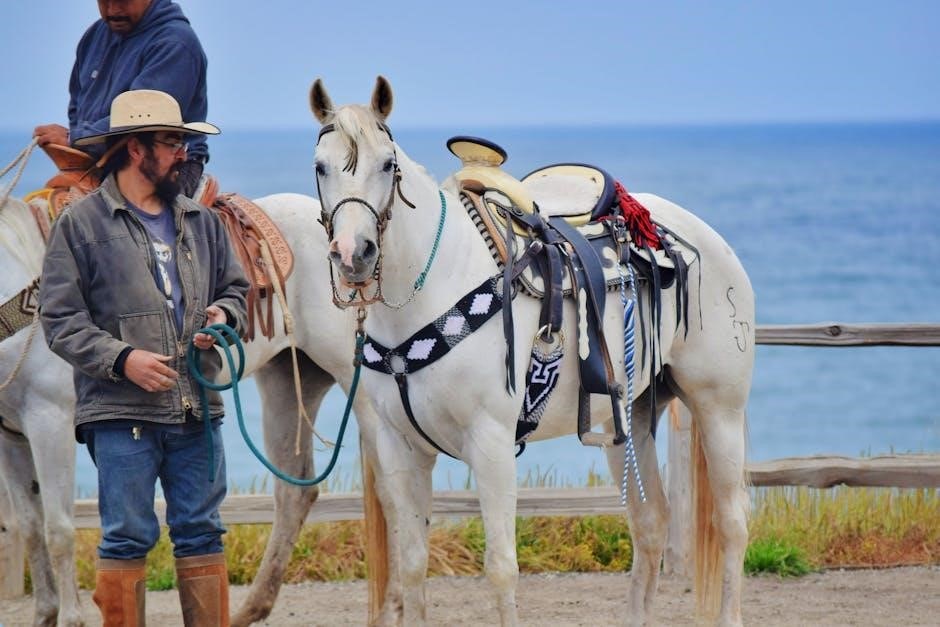
A horse’s physique and a rider’s body can change‚ necessitating periodic saddle fit adjustments. Muscle development in the horse‚ particularly in the back and shoulder areas‚ can alter saddle pressure points over time.
Similarly‚ fluctuations in rider weight or posture require reevaluation of saddle fit to maintain balance and comfort; Regular check-ups with a qualified fitter—every six to twelve months—are crucial. Proactive adjustments prevent discomfort‚ optimize performance‚ and safeguard the long-term health of both horse and rider.
Horse’s Muscle Development
As a horse gains fitness and strength‚ muscle mass increases‚ particularly along the topline. This development directly impacts saddle fit‚ potentially creating pressure points where the saddle no longer clears the withers or shoulder blades.
Regular monitoring is vital; a saddle that fit perfectly initially may become too tight as muscles grow. Adjustments‚ such as widening the gullet or raising the panels‚ may be necessary to accommodate the changes. Ignoring muscle development can lead to discomfort and impede the horse’s athletic potential.
Rider Weight Changes
Fluctuations in rider weight significantly affect saddle fit and balance. A heavier rider requires a wider tree and bars to distribute weight evenly‚ preventing pressure on the horse’s spine and withers. Conversely‚ weight loss necessitates a narrower fit to maintain proper contact and avoid instability.
Consistent saddle checks are crucial when a rider experiences substantial weight changes. Ill-fitting saddles can cause discomfort for both horse and rider‚ impacting performance and potentially leading to behavioral issues. Professional adjustments ensure optimal balance and comfort.