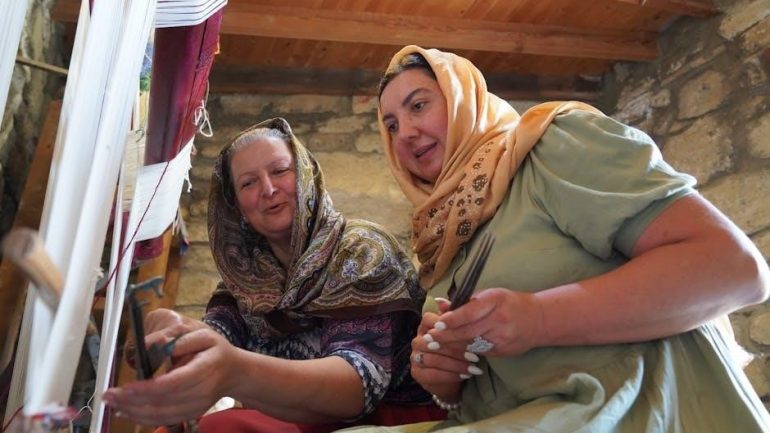
Manual teaching, evolving since 2020, remains vital, especially post-COVID-19 disruptions, as highlighted by UNESCO․ Vietnam’s 2025 Resolution prioritizes education and skilled workforce development, emphasizing practical application․
The Enduring Relevance of Manual Teaching
Despite advancements in digital learning, manual teaching retains crucial relevance․ Analyses from 2024 demonstrate active student involvement—through hands-on methods—fosters deeper understanding and skill development, surpassing traditional lectures․ This is particularly vital given the learning gaps exacerbated by the COVID-19 pandemic, necessitating adaptive strategies․ Vietnam’s national priority on education, as outlined in the 2025 Resolution, underscores the continued need for a skilled workforce cultivated through effective, practical training․ Evaluating teaching effectiveness, aligning with evidence-based practices, confirms manual teaching’s lasting value․
Historical Context of Manual Teaching Methods
Historically, manual teaching predates widespread technology, relying on demonstration and direct instruction․ While methods evolved, their core – practical application and skill transfer – remained constant․ Recent analyses (2020, 2022, 2025) highlight a cyclical return to these techniques, refined by modern pedagogical understanding․ The shift to remote learning during COVID-19 forced a re-evaluation of manual skill transmission, prompting integration of online resources․ Vietnam’s 2025 Resolution builds upon this legacy, aiming to develop a workforce grounded in practical competencies, echoing traditional strengths․
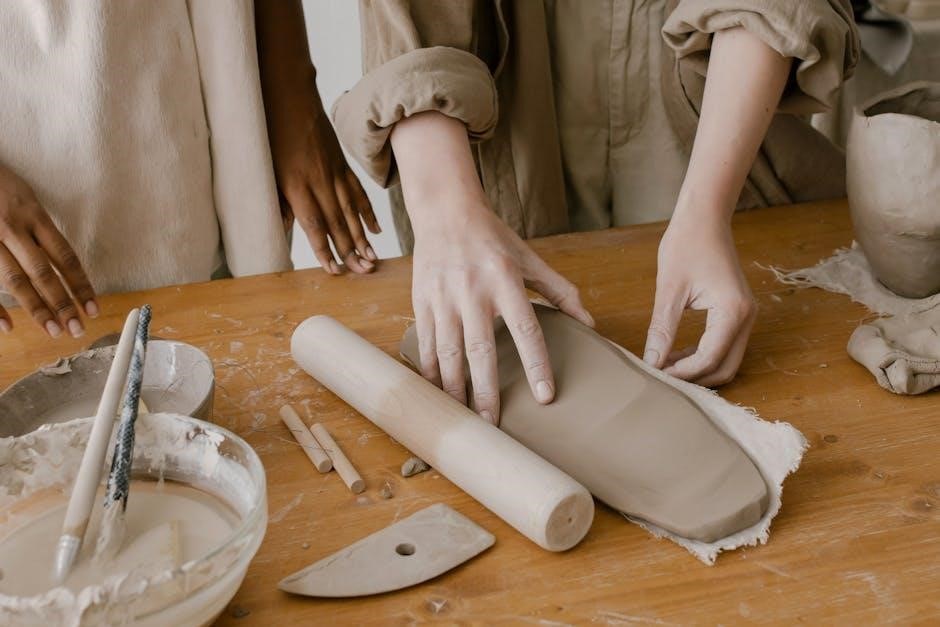
Core Principles of Effective Manual Teaching
Effective manual teaching centers on the learner, with teachers facilitating skill development through practical application and continuous assessment, ensuring knowledge retention and adaptability․
Learner-Centered Approach
A learner-centered approach in manual teaching prioritizes individual needs and paces, fostering deeper engagement than traditional lectures․ Active involvement, as noted in recent studies, encourages students to take ownership of their learning process․ This method actively supports developing critical thinking and problem-solving skills through hands-on experience․
Effective implementation requires understanding diverse learning styles and adapting techniques accordingly․ It’s about creating a supportive environment where students feel comfortable experimenting, making mistakes, and learning from them․ This contrasts with solely teacher-directed instruction, promoting a more dynamic and impactful educational experience․
The Role of the Teacher as a Facilitator
In manual teaching, the teacher’s role shifts from a direct instructor to a facilitator of learning․ This involves guiding students through practical tasks, providing support when needed, and encouraging independent exploration․ Analyzing teaching effectiveness, as highlighted in recent reports, emphasizes thoughtful alignment with evidence-based practices․
The facilitator creates a learning environment where students actively construct knowledge through hands-on experience․ They pose challenging questions, offer constructive feedback, and help students connect theory to practice․ This approach fosters critical thinking and problem-solving skills, essential for a skilled workforce․
Importance of Practical Application
Practical application is central to effective manual teaching, driving deeper learning than lectures alone․ Studies examining teaching methods confirm active student involvement yields better results, encouraging approaches likely to develop understanding․ Vietnam’s 2025 Resolution underscores the need for a skilled workforce, directly reliant on practical competencies․
Hands-on experience solidifies knowledge retention and allows students to apply concepts to real-world scenarios․ This approach, particularly crucial post-pandemic to address learning gaps, ensures graduates possess the tangible skills demanded by employers and contribute meaningfully to national priorities․
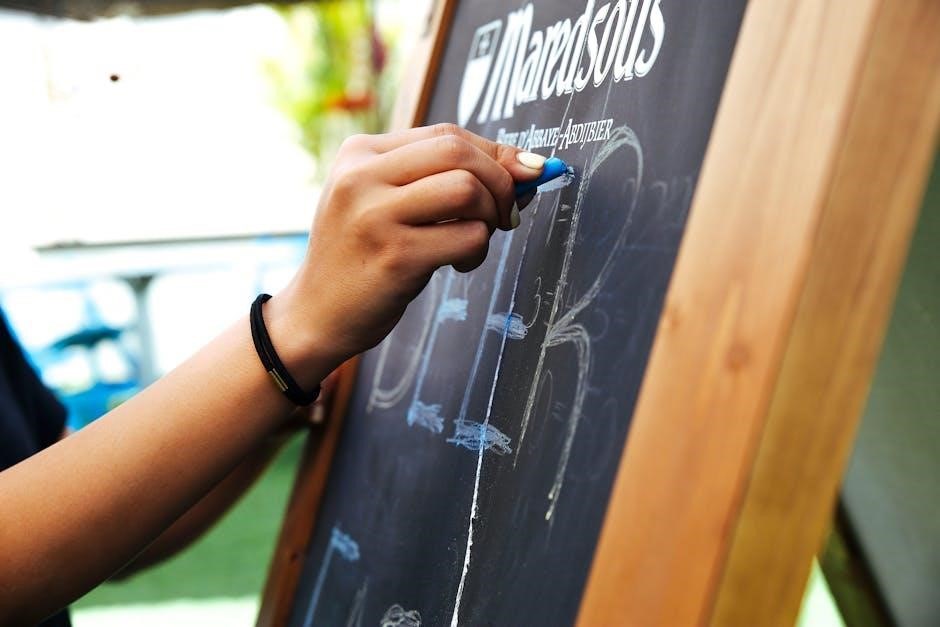
Traditional Manual Teaching Techniques
Traditional techniques – demonstration, guided practice, and direct instruction – remain foundational․ Evaluating these methods alongside multimedia approaches helps optimize learning effectiveness, fostering skill development․
Demonstration and Modeling
Demonstration and modeling are cornerstones of effective manual teaching, providing learners with a clear visual representation of the desired skill․ This technique allows students to observe the correct procedures and techniques firsthand, fostering understanding and reducing errors during initial practice․
Teachers effectively showcase proficiency, breaking down complex tasks into manageable steps․ Subsequently, guided practice allows students to replicate the demonstrated skill under supervision, receiving immediate feedback․ This iterative process, rooted in traditional methods, builds confidence and reinforces correct technique, ultimately enhancing knowledge retention and practical application․
Guided Practice and Scaffolding
Guided practice and scaffolding are crucial for solidifying manual skills․ Following demonstration, learners require structured opportunities to apply new knowledge with support․ Scaffolding involves providing temporary assistance – hints, prompts, or simplified tasks – gradually reduced as competence grows․
This approach, aligning with learner-centered principles, ensures students aren’t overwhelmed․ Effective scaffolding builds confidence and encourages active participation․ Analyzing student performance during practice reveals areas needing further attention, allowing teachers to tailor instruction and maximize learning outcomes, fostering deep approaches to skill development․
Direct Instruction and Explanation
Direct instruction and clear explanation form a foundational element of effective manual teaching․ This involves the teacher explicitly conveying concepts, procedures, and safety protocols․ While modern methods emphasize active learning, a strong initial explanation provides essential context and understanding․
Successful direct instruction isn’t solely lecturing; it incorporates questioning to gauge comprehension and ensure engagement․ Coupled with demonstration, it establishes a solid base for guided practice․ Evaluating teaching effectiveness requires aligning this approach with evidence-based practices and diverse perspectives․
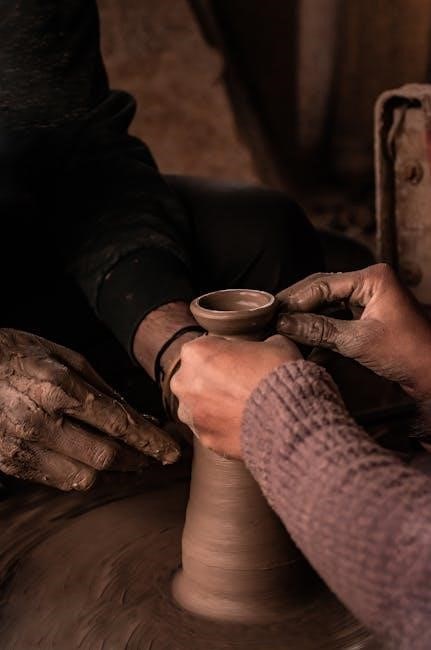
Modern Adaptations of Manual Teaching
Modern adaptations integrate technology, project-based learning, and simulations, addressing learning gaps post-pandemic; Microlearning and virtual/augmented reality enhance skill-specific training effectively․
Integrating Technology with Manual Skills
The fusion of technology and manual skills represents a significant evolution in modern teaching methodologies․ Utilizing online resources for skill development became crucial during the COVID-19 pandemic, offering alternative learning pathways when traditional, hands-on instruction was limited․ This shift necessitates careful consideration of how digital tools can supplement, not replace, the tactile experience essential for mastering practical abilities․
Furthermore, the integration isn’t merely about access to information; it’s about leveraging technology to enhance assessment, provide personalized feedback, and create engaging learning environments․ Virtual and augmented reality applications, for instance, offer safe and repeatable scenarios for practicing complex manual tasks, bridging the gap between theory and practical application․
Project-Based Learning and Manual Tasks
Project-based learning (PBL) powerfully complements manual teaching, fostering deeper understanding through practical application․ Unlike traditional direct instruction, PBL actively involves students in tackling real-world challenges requiring tangible skills․ This approach encourages a learner-centered environment where students take ownership of their learning process, enhancing knowledge retention and application – a key component of effective teaching, as noted in recent analyses․
Successfully integrating manual tasks into PBL demands thoughtful alignment with curriculum goals and careful assessment of student performance․ It moves beyond rote memorization, promoting critical thinking and problem-solving abilities crucial for a skilled workforce, aligning with Vietnam’s 2025 national priorities․
The Use of Simulations and Real-World Scenarios
Simulations and real-world scenarios significantly enhance manual teaching effectiveness, bridging the gap between theoretical knowledge and practical application․ These immersive experiences allow learners to safely practice skills in controlled environments, mirroring authentic challenges․ This approach is particularly valuable given the disruptions caused by events like COVID-19, necessitating adaptable teaching methods, as UNESCO highlighted in 2020․
Effective implementation requires careful design, ensuring scenarios accurately reflect industry standards and promote critical thinking․ Analyzing student performance within these simulations provides valuable data for assessing skill mastery and identifying areas for improvement, aligning with evidence-based teaching practices․

Evaluating the Effectiveness of Manual Teaching
Assessing manual teaching requires aligning with evidence-based practices and diverse perspectives, analyzing student performance data, and measuring knowledge retention – crucial for improvement, as noted in 2025․
Assessment Methods for Practical Skills
Evaluating practical skills in manual teaching demands diverse approaches beyond traditional testing․ Observation checklists, meticulously documenting performance against established criteria, provide valuable insights․ Performance-based assessments, requiring students to complete authentic tasks, showcase real-world application․ Portfolios, showcasing a collection of student work over time, demonstrate growth and mastery․
Rubrics, with clearly defined levels of achievement, ensure consistent and transparent grading․ Peer assessments, fostering critical thinking and collaboration, offer alternative perspectives․ Analyzing completed projects and simulations reveals problem-solving abilities․ These methods, combined with knowledge checks, offer a holistic view of student competency, crucial for effective program evaluation․
Measuring Knowledge Retention and Application
Assessing long-term understanding in manual teaching requires methods beyond immediate recall․ Delayed post-tests, administered weeks or months after instruction, gauge retention․ Practical application exercises, challenging students to solve novel problems, reveal transfer of learning; Case studies, demanding analysis and decision-making, demonstrate critical thinking․
Analyzing student performance data, identifying patterns of strength and weakness, informs instructional adjustments․ Observing on-the-job performance, in simulated or real-world settings, validates skill mastery․ Evaluating the effectiveness of interactive techniques, as noted in recent analyses, is paramount for sustained learning․
Analyzing Student Performance Data
Effective manual teaching hinges on data-driven insights․ Tracking completion rates of practical tasks, error analysis during guided practice, and assessment scores provide valuable metrics․ Identifying recurring mistakes reveals areas needing re-instruction or modified approaches․ Comparing performance across different student groups highlights potential equity gaps․
Analyzing this data, as emphasized in recent reports, helps pinpoint strengths and weaknesses of interactive techniques․ Thoughtful alignment with evidence-based practices, incorporating diverse perspectives, ensures continuous improvement and personalized learning paths for optimal skill development․

Challenges in Implementing Manual Teaching
Resource limitations and diverse learning needs pose significant hurdles․ Maintaining student engagement, especially post-pandemic with learning gaps, requires innovative strategies and adaptable teaching methods․
Resource Constraints and Equipment Availability
A critical challenge in effective manual teaching lies in securing adequate resources․ Many institutions face limitations regarding specialized equipment, materials, and dedicated workshop spaces․ This scarcity directly impacts the ability to provide hands-on experiences crucial for skill development․ Furthermore, maintaining and updating equipment requires ongoing financial investment, often exceeding budgetary allowances․
Accessibility also becomes an issue, particularly in regions with limited infrastructure or economic disparities․ Without sufficient resources, equitable access to quality manual training is compromised, hindering the development of a skilled workforce as prioritized by Vietnam’s 2025 Resolution․
Addressing Diverse Learning Needs
Effective manual teaching necessitates acknowledging and responding to the varied learning styles and abilities within a classroom․ Students enter with differing prior knowledge, aptitudes, and levels of confidence in practical tasks․ Some may thrive in hands-on environments, while others require more structured guidance and scaffolding․
Teachers must employ differentiated instruction, adapting methods and materials to meet individual needs․ This includes providing varied levels of challenge, offering alternative assessment options, and fostering an inclusive learning environment where all students feel supported and empowered to succeed, aligning with effective teaching principles․
Maintaining Student Engagement
Sustaining student engagement in manual teaching requires moving beyond traditional lectures and embracing active learning strategies․ Methods actively involving students, like project-based learning and real-world scenarios, prove more effective than passive approaches․ Incorporating technology, simulations, and microlearning can further capture attention and cater to diverse learning preferences․
Regularly assessing understanding and providing constructive feedback is crucial․ Creating a positive and supportive classroom atmosphere where students feel comfortable taking risks and exploring new skills is paramount for fostering sustained motivation and a genuine interest in the subject matter․

Manual Teaching in Specific Disciplines
Manual teaching excels in vocational training, STEM education, and arts/crafts, fostering practical skills․ These disciplines benefit from hands-on application and direct instruction methods․
Manual Teaching in Vocational Training
Manual teaching is fundamentally crucial within vocational training programs, directly addressing the need for a skilled workforce as emphasized in Vietnam’s 2025 Resolution․ These programs prioritize practical application, demanding techniques like demonstration, guided practice, and direct instruction․ Success rates hinge on effectively evaluating these skills, analyzing performance data, and adapting to diverse learning needs․
Effective vocational manual teaching necessitates overcoming resource constraints and maintaining student engagement through project-based learning and real-world scenarios․ Safety training, a key component, requires thoughtful alignment with evidence-based practices, ensuring learners acquire both competence and safe working habits․
Manual Teaching in STEM Education
Manual teaching significantly enhances STEM education by bridging theoretical knowledge with practical application․ Integrating technology with manual skills, like simulations and project-based learning, fosters deeper understanding and knowledge retention․ Evaluating effectiveness requires assessing not just knowledge, but also the ability to apply skills in real-world scenarios․
Modern adaptations, including microlearning and personalized learning paths, cater to diverse learning needs․ Overcoming resource limitations and maintaining engagement are crucial, mirroring challenges in vocational training, as highlighted by recent analyses of teaching effectiveness․
Manual Teaching in Arts and Crafts
Manual teaching is foundational in arts and crafts, demanding demonstration, guided practice, and direct instruction – traditional techniques still highly relevant․ Effective assessment moves beyond simple completion, measuring skill development and creative application․ Adapting to modern needs involves integrating technology, potentially through virtual or augmented reality experiences․
Maintaining student engagement is key, requiring teachers to act as facilitators, fostering a learner-centered environment․ Addressing diverse learning needs and resource constraints remains a challenge, echoing concerns in other disciplines, as noted in recent educational analyses․
The Impact of COVID-19 on Manual Teaching
COVID-19 forced adaptation to remote learning, utilizing online resources for skill development and addressing resulting learning gaps, as UNESCO highlighted in September 2020․
Adapting Manual Teaching for Remote Learning
The pandemic necessitated innovative approaches to deliver hands-on skills remotely․ Traditional manual teaching, reliant on physical presence, faced significant hurdles with school closures in 2020․ Educators swiftly explored digital alternatives, leveraging online resources and virtual simulations to maintain skill development․ This shift demanded creative solutions, focusing on accessible materials and clear, demonstrative videos․
Effectively conveying practical techniques through screens required careful planning and adaptation of assessment methods․ While challenging, this period spurred the integration of technology, potentially enhancing future manual teaching practices with blended learning models․
Utilizing Online Resources for Skill Development
Remote learning accelerated the adoption of online resources for manual skill development․ Educators discovered a wealth of digital tools, including video tutorials, interactive simulations, and virtual workshops, to supplement traditional instruction․ These resources proved crucial during the COVID-19 pandemic, enabling continued learning despite school closures․
Effectively curated online content can provide students with flexible, self-paced learning opportunities, reinforcing practical techniques and fostering independent skill acquisition․ This integration enhances accessibility and prepares learners for a digitally-driven future․
Addressing Learning Gaps Post-Pandemic
The pandemic significantly impacted hands-on skill development in manual teaching, creating noticeable learning gaps․ Returning to in-person instruction requires targeted interventions to address these deficits․ Assessments are crucial to identify specific areas where students require additional support and remediation․
Strategies include intensive workshops, personalized tutoring, and project-based learning focused on foundational skills․ Prioritizing practical application and providing ample opportunities for guided practice are essential for bridging these gaps and ensuring equitable learning outcomes․

National Priorities and Manual Teaching (Vietnam ― 2025 Resolution)
Vietnam’s 2025 Resolution designates education as a top national priority, stressing the urgent need for a highly skilled workforce through effective manual teaching methods․
Education as a National Priority
Vietnam’s commitment to education is powerfully underscored by Resolution No․ 71-NQ/TW, signed in August 2025․ This pivotal document explicitly reaffirms education and training as the nation’s foremost priority, directly shaping its future trajectory․ The resolution acknowledges that a robust and adaptable education system is fundamental to national progress and global competitiveness․
This prioritization extends to a focused emphasis on developing a skilled workforce, recognizing the critical link between educational attainment and economic prosperity․ Manual teaching, therefore, isn’t merely a pedagogical approach, but a strategic investment in Vietnam’s long-term success, aligning with national goals․
The Need for Skilled Workforce Development
Vietnam’s 2025 Resolution directly addresses the urgent need for a highly skilled workforce, recognizing its pivotal role in national economic advancement․ This demand necessitates a shift towards practical, hands-on training – the core of manual teaching methodologies․ Traditional lecture-based approaches are increasingly seen as insufficient for equipping individuals with the tangible skills required by modern industries․
Effective manual teaching, therefore, becomes a strategic imperative, fostering competency and adaptability․ Investment in resources and modern adaptations, including technology integration, are crucial to meet this growing national need and ensure future prosperity;
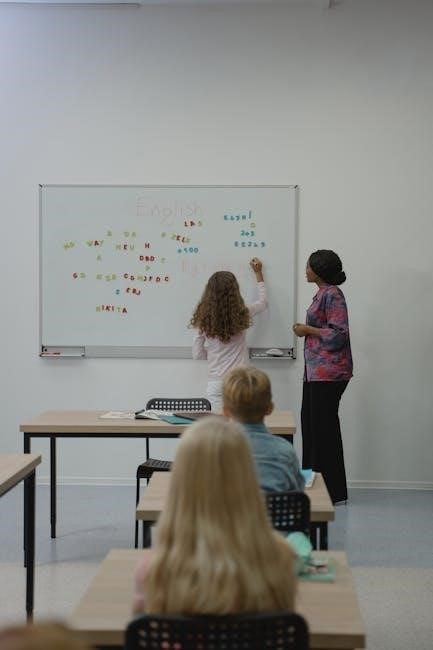
Safety Training and Manual Teaching Effectiveness
Recent analyses emphasize key components of effective teaching – teacher, learner, and curriculum – alongside robust safety protocols within manual skill instruction for optimal outcomes․
Analysis of Safety Training Methods
A 2025 research report meticulously analyzed diverse safety training methods, revealing varying degrees of effectiveness․ The study underscored the critical need for aligning training with practical application within manual teaching contexts․ Interactive techniques, when thoughtfully implemented, demonstrate superior results compared to traditional lecture-based approaches․
Effective safety training isn’t merely about conveying information; it’s about fostering a safety-conscious culture․ This requires a holistic approach encompassing the teacher’s role, the learner’s engagement, and a carefully designed curriculum that prioritizes hazard identification and risk mitigation․ Continuous evaluation and adjustments are essential․
Key Components of Effective Teaching
Effective manual teaching hinges on a synergistic interplay of elements․ The teacher must be a skilled facilitator, guiding learners through practical application and fostering deep understanding, not just rote memorization․ Crucially, the learning environment – the classroom and available equipment – must support hands-on experience․
A well-structured curriculum, aligned with national priorities like Vietnam’s 2025 Resolution, is paramount․ Furthermore, continuous evaluation, analyzing student performance data, and adapting methods based on feedback are vital for maximizing learning outcomes and ensuring skill retention․

Future Trends in Manual Teaching
Microlearning, personalized paths, and virtual/augmented reality integration will reshape manual skills training, offering skill-specific learning and adapting to evolving workforce demands․
The Rise of Microlearning and Skill-Specific Training
Microlearning is gaining prominence in manual teaching, delivering focused content in short bursts – ideal for skill retention․ This approach contrasts with traditional, lengthy instruction, catering to modern learners’ shorter attention spans․ Skill-specific training directly addresses workforce needs, aligning with Vietnam’s 2025 Resolution emphasizing a skilled labor force․
Interactive techniques, analyzed in recent reports, prove more effective than lectures, fostering deeper learning․ This shift necessitates evaluating teaching effectiveness through data analysis and diverse perspectives, supported by centers like the CTL․ Consequently, manual teaching adapts to provide targeted, efficient skill development․
Personalized Learning Paths for Manual Skills
Personalized learning in manual teaching acknowledges diverse student needs, moving beyond a ‘one-size-fits-all’ approach․ This aligns with learner-centered principles, adapting to individual paces and learning styles․ Effective assessment methods, crucial for practical skills, inform these tailored paths, measuring knowledge retention and application․
Modern adaptations, including technology integration, facilitate this personalization․ Analyzing training effectiveness – as highlighted in recent safety training reports – reveals the importance of adjusting techniques․ Vietnam’s national priorities further support customized skill development for a competitive workforce․
The Integration of Virtual and Augmented Reality
Virtual and Augmented Reality (VR/AR) offer transformative potential for manual teaching, particularly post-COVID-19 adaptations․ These technologies provide safe, repeatable environments for practicing complex skills without resource constraints․ Simulations and real-world scenarios become accessible, enhancing practical application and knowledge retention․
This aligns with modern teaching methods, bridging the gap between theory and practice․ Analyzing the effectiveness of these tools is crucial, mirroring the focus on evaluating safety training methods․ Vietnam’s 2025 Resolution supports innovative approaches to workforce development, making VR/AR valuable assets․
Manual teaching, despite evolving pedagogical approaches and technological advancements, retains enduring relevance․ Its effectiveness hinges on thoughtful alignment with evidence-based practices and diverse perspectives, as emphasized in recent analyses of teaching methods․ Post-pandemic adaptations, utilizing online resources and innovative technologies like VR/AR, demonstrate its adaptability․
Vietnam’s 2025 Resolution underscores education’s national priority, reinforcing the need for skilled workforce development through practical, hands-on learning․ Continued investment in manual teaching, coupled with rigorous evaluation, ensures its lasting impact․