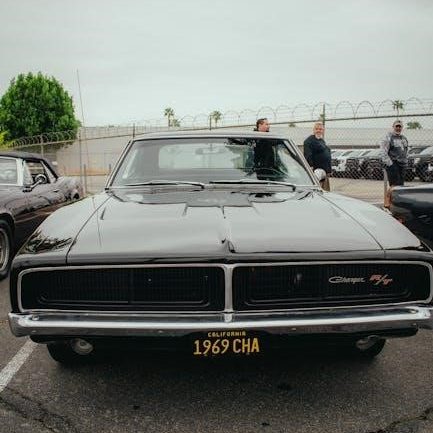
Dodge Charger 6-Speed Manual: An Overview
Unfortunately, current website limitations prevent detailed information access; however, the Dodge Charger 6-speed manual represents a rare and sought-after configuration․
The Dodge Charger 6-speed manual, produced from 2009 to 2013, stands as a unique offering within the fourth-generation Charger lineup․ While the vast majority of Chargers were equipped with automatic transmissions, a select few were graced with a standard six-speed manual, catering to enthusiasts craving a more engaging driving experience․ This configuration wasn’t widely advertised, contributing to its relative obscurity and, subsequently, its increasing desirability among collectors and performance aficionados․
The availability was limited, making it a true driver’s car․ It offered a direct connection between driver and machine, something largely absent in the predominantly automatic Charger world․ This rarity has cemented its place as a special edition within Mopar history, appealing to those who value tactile control and a more visceral connection to their vehicle․
Rarity and Collectibility
The Dodge Charger 6-speed manual’s limited production numbers significantly contribute to its growing rarity and collectibility․ Exact figures vary, but estimates suggest only a small percentage – around 1% – of all fourth-generation Chargers were built with this transmission․ This scarcity immediately elevates its status among enthusiasts and collectors seeking unique Mopar muscle․
As years pass, the demand for these manuals continues to rise, driving up market values․ Original, low-mileage examples, particularly those with documented history, command substantial premiums․ The 6-speed Charger represents a fleeting moment in automotive history, a testament to a time when manufacturers still catered to the purist driver, ensuring its future as a highly sought-after collectible․

Technical Specifications
The Charger 6-speed’s core lies in its robust powertrain, featuring specific engine options paired exclusively with the NVL T6060 transmission for optimal performance․
Engine Options (2009-2013)
During the 2009-2013 model years, the Dodge Charger 6-speed manual was primarily offered with two potent engine choices․ The first, and most common, was the 5․7L HEMI V8, delivering a substantial 370 horsepower and 395 lb-ft of torque․ This engine provided a compelling blend of power and everyday usability․
More rarely, the exhilarating 6․1L HEMI V8, producing 425 horsepower and 420 lb-ft of torque, was also available․ This larger displacement engine transformed the Charger into a true muscle car, offering significantly enhanced acceleration․ Both engines were specifically calibrated to work seamlessly with the 6-speed manual transmission, maximizing the driving experience․
Transmission Details: NVL T6060
The Dodge Charger 6-speed manual utilized the NVL T6060 transmission, a robust and well-regarded unit manufactured by New Venture Gear․ This transmission is known for its durability and positive shift feel, contributing significantly to the engaging driving experience․ It features a traditional H-pattern shift gate, offering precise control over gear selection․
The NVL T6060 in the Charger boasts a wide gear ratio spread, optimizing both acceleration and highway cruising․ It’s a heavy-duty transmission designed to handle the substantial torque output of the available HEMI engines․ Internal components were strengthened to withstand the demands of spirited driving, making it a reliable choice for enthusiasts․
Drivetrain Configuration
The Dodge Charger 6-speed manual predominantly features a rear-wheel-drive (RWD) configuration, delivering a classic muscle car driving experience․ This setup prioritizes power delivery and handling balance, appealing to driving purists․ All-wheel drive (AWD) was not offered with the manual transmission option, limiting the drivetrain choices for buyers seeking a stick shift․
The RWD system utilizes a solid rear axle, contributing to straightforward and predictable handling characteristics․ This configuration, coupled with the manual transmission, allows for greater driver control during acceleration and cornering․ The drivetrain’s simplicity enhances the raw, visceral feel of the Charger, making it a truly engaging vehicle to operate․
Performance Characteristics
The Charger 6-speed manual delivers exhilarating acceleration, responsive handling, and a direct connection to the engine, enhancing the overall driving experience significantly․
Acceleration and Top Speed
The Dodge Charger 6-speed manual’s acceleration figures vary based on engine choice, but generally offer a thrilling experience․ The V6 models achieve 0-60 mph in around 6 seconds, while the potent 5․7L HEMI cuts that time to approximately 5 seconds․ The legendary 6․1L and 6․4L HEMI variants deliver even more impressive performance, hitting 60 mph in the low 4-second range․
Top speed is electronically limited to 155 mph on most models, though the actual achievable speed can be higher with modifications․ The manual transmission allows for precise gear selection, maximizing acceleration and control, providing a more engaging driving experience than the automatic counterparts․
Handling and Driving Experience
The Dodge Charger 6-speed manual offers a significantly more connected driving experience compared to automatic versions․ The manual transmission grants drivers complete control over gear selection, enhancing engagement and responsiveness․ While the Charger isn’t a lightweight sports car, the 6-speed improves handling by allowing precise engine braking and power delivery․
The steering feels direct, and the suspension, though tuned for comfort, provides adequate body control․ The manual gearbox encourages a more deliberate driving style, making the Charger feel smaller and more agile than its size suggests․ It’s a rewarding experience for enthusiasts who appreciate driver involvement․
Quarter Mile Times
Documented quarter-mile times for the Dodge Charger 6-speed manual vary based on engine option and driver skill, but consistently demonstrate strong performance․ Typically, a 2009-2013 Charger R/T 6-speed can achieve times in the low-to-mid 13-second range, often between 13․3 and 13․7 seconds at speeds exceeding 105 mph․
The SRT8 models, equipped with the 6․1L HEMI, frequently run in the high 12-second range, with some achieving 12․9-13․2 seconds․ Skilled drivers and optimized launches can shave off valuable tenths of a second, showcasing the manual transmission’s potential for quick acceleration․

Identifying a 6-Speed Charger
Confirming a 6-speed requires checking for a floor shifter, console trim differences, decoding the VIN, or reviewing the original build sheet documentation․
Visual Cues: Shifter and Console
The most immediate visual indicator of a 6-speed Charger is, naturally, the presence of a floor-mounted shifter․ Automatic Chargers feature a rotary dial selector․ Examine the center console closely; 6-speed models boast a unique console trim incorporating the shifter opening, differing significantly from the automatic’s simpler layout․
Look for the specific shift knob design, often a leather-wrapped ball or T-handle․ Furthermore, the console around the shifter will lack the park, reverse, neutral, drive, and low gear selections found on automatic versions․ These subtle, yet definitive, console distinctions provide a quick visual confirmation of the manual transmission․
VIN Decoding for Transmission Type
Decoding the Vehicle Identification Number (VIN) is a reliable method to confirm a Charger’s transmission․ While not always straightforward, specific characters within the VIN can indicate a manual transmission․ Typically, the transmission code is located within the eighth character of the VIN․ However, this code varies depending on the model year․
Online VIN decoders, specifically those tailored for Mopar vehicles, are invaluable tools․ These decoders translate the alphanumeric VIN sequence into a detailed vehicle specification report, clearly stating the original transmission type․ Always cross-reference the decoder results with other verification methods for absolute certainty․
Checking Build Sheets
Original build sheets, if obtainable, provide definitive proof of a Charger’s factory configuration, including transmission type․ These documents, created during the vehicle’s assembly, detail every option and component installed․ Locating a build sheet can be challenging, as they weren’t always retained with the vehicle․
Sources for build sheets include contacting Chrysler’s historical services department or searching within known vehicle history databases․ A genuine build sheet will explicitly state “6-Speed Manual Transmission” or a corresponding code․ Verify the build sheet’s authenticity and correlate its information with the VIN and other documentation for a conclusive confirmation․
Common Issues and Maintenance
The 6-speed manual Chargers can experience clutch wear, shifter mechanism problems, and occasional synchronizer issues requiring diligent maintenance and timely repairs․
Clutch Wear and Replacement
The robust power of the Charger’s engine, coupled with spirited driving, inevitably leads to clutch wear in the 6-speed manual models․ Owners should monitor for slipping, difficulty shifting, or a spongy pedal feel – early indicators of a failing clutch․
Replacement typically involves a complete clutch kit, including the disc, pressure plate, and throw-out bearing․ Labor costs can vary significantly depending on the mechanic’s rates and any associated repairs, such as pilot bearing replacement or flywheel resurfacing․
Upgrading to a performance clutch is a popular modification, offering increased holding capacity for modified engines or aggressive driving styles, but may compromise daily drivability․
Shifter Mechanism Problems
The NVL T6060 transmission in the Charger 6-speed can experience issues with its shifter mechanism over time․ Common complaints include imprecise shifting, difficulty finding gears, or a loose, sloppy feel․ These problems often stem from worn shifter bushings, a stretched or damaged shift linkage, or internal wear within the transmission itself․
Replacing the bushings – typically made of plastic or rubber – is a relatively inexpensive and straightforward repair that can significantly improve shift quality․
More complex issues may require professional diagnosis and repair, potentially involving adjustments to the shift linkage or internal transmission component replacement․
Synchro Issues
A frequent concern with the NVL T6060 transmission in the Dodge Charger 6-speed manual revolves around synchronizer (synchro) wear․ Symptoms manifest as grinding when shifting, particularly into second or third gear, especially when performing quick or aggressive shifts․ This occurs as worn synchros struggle to match the engine and transmission speeds before fully engaging the gear․
Ignoring this issue can lead to further damage to the gears themselves․
Repair typically involves a transmission rebuild, replacing the worn synchro assemblies․ Preventative maintenance, like using high-quality transmission fluid, can help prolong synchro life․
Modifications and Upgrades
Enhancements for the Charger 6-speed include performance clutches, short-throw shifters for quicker action, and ECU tuning to optimize manual transmission performance․
Performance Clutch Upgrades
For owners seeking to maximize the potential of their Charger 6-speed, upgrading the clutch is a common and effective modification․ The stock clutch, while adequate for daily driving, can struggle to handle the increased power from engine modifications or aggressive driving styles․
Several aftermarket options are available, ranging from mild upgrades for improved pedal feel and increased torque capacity to full racing clutches designed for extreme performance․ Considerations include disc material (organic, ceramic, or metallic), pressure plate clamping force, and flywheel weight․
Choosing the right clutch depends on intended use; a heavier-duty clutch may sacrifice some daily drivability for increased performance on the track or drag strip․ Professional installation is highly recommended to ensure proper alignment and prevent damage to the transmission․
Short Throw Shifters
A popular modification for the Charger 6-speed is the installation of a short throw shifter, dramatically improving the driving experience․ These shifters reduce the distance the lever travels between gears, resulting in quicker, more precise shifts and a more connected feel․
Several manufacturers offer short throw shifters specifically designed for the Charger’s NVL T6060 transmission․ Options range from simple shift lever replacements to complete shifter assemblies that modify the pivot point and linkage․
Installation typically requires some mechanical skill, but is manageable for experienced DIYers․ Benefits include a sportier feel, reduced shift times, and enhanced control, making the already engaging manual transmission even more rewarding to operate․
ECU Tuning for Manual Transmission
Optimizing the Engine Control Unit (ECU) is crucial for unlocking the full potential of a 6-speed Charger․ Factory tuning often prioritizes automatic transmission characteristics, leaving room for improvement with a manual setup․ A custom tune can refine parameters like throttle response, ignition timing, and fuel delivery․
Specifically, tuning can address the lack of torque management present in automatic versions․ This results in increased horsepower and torque, particularly in the mid-range․
Furthermore, adjustments to the rev limiter and launch control settings can enhance performance․ Reputable tuners specializing in Mopar vehicles are recommended to ensure safe and effective calibration for the NVL T6060 transmission․

Market Value and Pricing
Due to limited production and growing demand, 6-speed Charger values are steadily increasing, commanding a premium over automatic counterparts in the current market․
Used Market Trends (2023-2024)
The used market for Dodge Charger 6-speed manuals experienced significant upward pressure throughout 2023 and continuing into 2024․ Initial observations indicated a baseline price increase of approximately 15-20% compared to 2022 figures, largely driven by heightened collector interest and limited availability․
Low-mileage, exceptionally well-maintained examples consistently fetch prices exceeding $35,000, with some pristine, documented vehicles surpassing $45,000 at auction․ Regional variations exist, with higher demand—and therefore prices—observed in areas with strong Mopar enthusiast communities․
Recent trends suggest a stabilization of prices, though a substantial drop is unlikely given the car’s rarity․
Factors Affecting Price
Several key factors significantly influence the resale value of a Dodge Charger 6-speed manual․ Mileage is paramount; lower mileage examples command substantial premiums․ Originality also plays a crucial role, with unmodified cars generally being more desirable to collectors․ A comprehensive maintenance history, documented with receipts, adds considerable value, demonstrating diligent care․
Engine option impacts price, with the 5․7L HEMI typically being more affordable than the 6․1L or 6․4L variants․ Vehicle condition—both cosmetic and mechanical—is critical․
Finally, location and market demand contribute to price fluctuations․
Community and Resources
Dedicated online forums and specialized Mopar groups provide invaluable support, parts sourcing, and technical expertise for Charger 6-speed owners and enthusiasts․
Online Forums and Groups
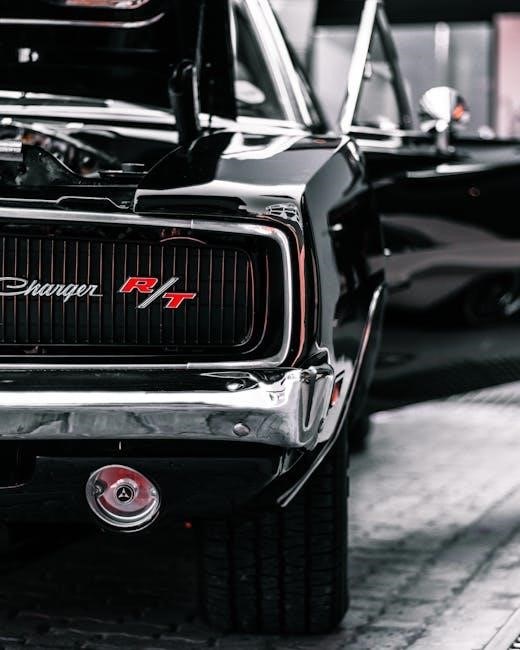
The Dodge Charger 6-speed manual community thrives online, offering a wealth of knowledge and support․ Dedicated forums, such as those found on MoparForums․com and ChargerTalk․com, are excellent starting points for new owners seeking advice on maintenance, modifications, or troubleshooting․
Facebook groups dedicated to the Charger platform, specifically those focusing on manual transmissions, provide a more immediate and interactive environment․ These groups often feature classifieds for parts and vehicles, as well as local meetups․
Active participation in these communities is highly recommended, allowing owners to connect with fellow enthusiasts, share experiences, and benefit from collective expertise․
Parts Suppliers
Sourcing parts for the Dodge Charger 6-speed manual can require some diligence, given its relative rarity․ Traditional Mopar parts dealers remain a viable option for many OEM components, though availability can vary․ Online retailers specializing in performance parts, like Summit Racing and Jegs High Performance, stock clutch kits, shifters, and related hardware․
For specific 6-speed transmission components, dedicated Mopar performance suppliers often carry rebuild kits and individual parts; Checking forums and enthusiast groups can reveal specialized suppliers catering specifically to this transmission․

Always verify compatibility before purchasing, and consider the reputation of the supplier to ensure quality and reliable service․
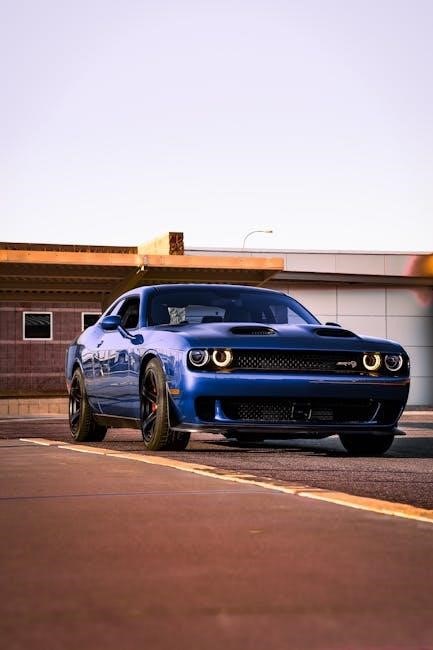
The Charger 6-Speed Legacy
The Charger 6-speed manual embodies a return to driver engagement, a unique offering in its generation, and a growing legend among Mopar enthusiasts․
Its Place in Mopar History
The inclusion of a six-speed manual transmission in the Dodge Charger, particularly from 2009-2013, marked a significant moment for Mopar enthusiasts․ It represented a deliberate nod to the brand’s performance heritage, offering a raw, connected driving experience largely absent in modern muscle cars․
This configuration wasn’t simply about offering a choice; it was about catering to a dedicated segment of drivers who valued control and engagement․ It stands as a relatively rare offering, distinguishing itself within the Charger’s lineage and solidifying its place as a collector’s item․ The 6-speed Charger is a testament to responding to enthusiast demand․
Future Collectibility Potential
The Dodge Charger 6-speed manual is poised for increasing collectibility․ Its limited production numbers, coupled with growing demand from enthusiasts seeking a driver-focused experience, suggest a strong upward trend in value․ As modern cars become increasingly automated, the appeal of a raw, manual transmission will likely intensify․
Well-maintained, low-mileage examples are expected to command significant premiums․ The Charger’s iconic status and the 6-speed’s rarity create a compelling investment opportunity for collectors․ Future generations will appreciate this unique blend of muscle car power and driver involvement, further driving up desirability․

Comparison to Automatic Chargers
Manual Chargers offer significantly greater driver engagement and control, contrasting with the convenience of automatics, potentially impacting long-term resale values positively․
Driver Engagement
The six-speed manual transmission in the Dodge Charger fundamentally alters the driving experience, fostering a deeper connection between driver and machine․ Unlike the detached feel of an automatic, the manual demands active participation – precise gear selection, clutch control, and rev-matching become integral to the journey․
This heightened involvement translates to a more rewarding and visceral sensation of control, particularly during spirited driving․ The driver dictates the power delivery, influencing acceleration and maintaining optimal engine performance․ It’s a tactile experience, offering a level of responsiveness and feedback simply unattainable with an automatic gearbox;
For enthusiasts, this direct control is paramount, elevating the Charger from a powerful muscle car to a truly engaging performance vehicle․
Resale Value Differences
Dodge Charger models equipped with the six-speed manual transmission consistently command a premium on the used car market compared to their automatic counterparts․ This price disparity stems from the rarity of the manual option – a limited production run created instant collectibility․
Demand from driving enthusiasts further fuels this value increase, as many seek the more engaging and connected driving experience the manual provides․ Well-maintained, low-mileage examples often fetch significantly higher prices, sometimes exceeding the cost of comparable automatic Chargers by several thousand dollars․
This trend suggests the 6-speed manual Charger is increasingly viewed as a future classic, bolstering its long-term investment potential․