
The 1928 Book of Common Prayer represents a pivotal moment in Anglican liturgical history, evolving from ancient roots and reflecting theological shifts; accessing a 1928 Book of Common Prayer PDF allows modern study.
Historical Context of the 1928 Edition
The 1928 Book of Common Prayer emerged from a period of significant liturgical revision within the Episcopal Church. Following the 1892 revision, debates continued regarding the appropriateness of language and ceremony. A desire for greater clarity and a return to more traditional forms fueled the movement for a new book.
The commission tasked with revision began its work in 1920, meticulously examining historical precedents and contemporary theological perspectives. This process involved extensive consultation with scholars, clergy, and laypeople. The resulting 1928 edition represented a deliberate attempt to balance tradition with modern sensibilities, aiming for a dignified and reverent worship experience.
Interestingly, the evolution of the word “book” itself, from its ancient origins denoting written records to its modern association with bound volumes, mirrors the historical development of the Book of Common Prayer as a foundational text.
Significance within Anglican Tradition
The 1928 Book of Common Prayer holds a unique and enduring significance within the broader Anglican tradition. It represents a high point of liturgical refinement, deeply rooted in the historical worship practices of the Church of England and its offshoots. For many Anglicans, it embodies the quintessential expression of their faith, offering a rich tapestry of language, theology, and spiritual discipline.
Its influence extends beyond mere liturgical use; the 1928 BCP has profoundly shaped Anglican identity and devotional life. The carefully crafted prayers and services provide a framework for personal and communal worship, fostering a sense of continuity with generations past. Accessing a 1928 Book of Common Prayer PDF allows continued engagement with this vital heritage.
The very concept of a “book” as a repository of sacred knowledge, akin to ancient texts, underscores the BCP’s central role.

Obtaining a 1928 Book of Common Prayer PDF
Finding a 1928 Book of Common Prayer PDF is readily achievable through various online archives and repositories, offering convenient digital access to this historic text.
Reliable Sources for PDF Downloads
Securing a legitimate 1928 Book of Common Prayer PDF requires careful source selection. Several reputable online archives consistently offer reliable downloads. Project Gutenberg stands out as a long-standing provider of free ebooks, including digitized versions of the BCP. The Internet Archive, a digital library, also hosts multiple scans, often with varying quality; checking user reviews is advisable.
Additionally, Anglican and Episcopal diocesan websites sometimes provide downloadable PDFs for their congregations. Websites dedicated to traditional Anglicanism frequently curate links to verified sources. Be cautious of unfamiliar websites promising free downloads, as these may contain malware or inaccurate transcriptions. Always verify the source’s credibility before downloading any file. Examining the PDF’s metadata can confirm its origin and creation date, ensuring authenticity. Prioritize sources known for preserving historical texts accurately.
Legality and Copyright Considerations
Regarding the 1928 Book of Common Prayer PDF, copyright status is crucial. Published in 1928, the book generally falls into the public domain in many countries, including the United States, due to the expiration of copyright terms. However, specific scans or digital editions may have new copyright protections if substantial creative additions were made during digitization – for example, extensive annotations or a unique formatting style.

Downloading and using PDFs from reputable sources like Project Gutenberg or the Internet Archive is typically legal, as they focus on public domain works. Distributing copies commercially without permission, even of public domain texts, could infringe on the rights of the digitizer. Always check the licensing terms associated with any PDF before sharing it widely. Understanding these nuances ensures responsible and legal access to this historical liturgical text.
File Size and Format Details
A 1928 Book of Common Prayer PDF typically ranges in file size from approximately 10MB to 30MB, depending on the scanning resolution and inclusion of features like searchable text or embedded fonts. The most common format is PDF (Portable Document Format), ensuring cross-platform compatibility across various devices – computers, tablets, and smartphones.
Higher resolution scans result in larger file sizes but offer improved readability, especially for detailed illustrations or older printings. Many PDFs are optimized for web viewing, balancing file size with image quality. Some versions may include Optical Character Recognition (OCR), enabling text selection and searching within the document. Ensure your device has a PDF reader installed (like Adobe Acrobat Reader) to properly view and utilize the file’s features.

Key Liturgical Features of the 1928 BCP
The 1928 Book of Common Prayer features traditional language for Daily Office, Holy Communion, and Baptism, offering a structured, reverent liturgical experience for faithful practice.
The Daily Office (Morning and Evening Prayer)
The 1928 Book of Common Prayer’s Daily Office, comprising Morning and Evening Prayer, provides a foundational rhythm for personal and communal devotion. These services, rooted in ancient monastic traditions, offer a structured sequence of psalms, lessons from Scripture, and prayers.
Morning Prayer traditionally begins with a confession of sin and absolution, followed by the recitation of psalms, a reading from the Old Testament, the Benedictus, and intercessory prayers. Evening Prayer mirrors this structure, incorporating the Magnificat.
The 1928 BCP’s Daily Office emphasizes a consistent engagement with the Word of God and a humble posture of prayer. A 1928 Book of Common Prayer PDF facilitates easy access to these services, enabling individuals to incorporate this ancient practice into their daily lives, fostering spiritual discipline and a deeper connection with God. The traditional language contributes to a sense of continuity with the historical Church.
Holy Communion (The Eucharist)
The 1928 Book of Common Prayer’s presentation of Holy Communion, or the Eucharist, is central to its liturgical theology. The service follows a carefully prescribed order, emphasizing repentance, thanksgiving, and spiritual communion with Christ. It begins with the Summary of the Law and Ten Commandments, followed by the Comfortable Words and exhortations to prayer.
The core of the Eucharist involves the Prayer of Consecration, where the priest, acting in persona Christi, offers the bread and wine, invoking the Holy Spirit to transform them into the Body and Blood of Christ. A 1928 Book of Common Prayer PDF allows detailed study of the precise wording of this prayer, revealing its theological depth.
The service culminates in the reception of Communion, a sacred act of participation in Christ’s sacrifice. The 1928 BCP’s language and structure reflect a high-church Anglican understanding of the Eucharist, emphasizing its sacramental nature and spiritual power.
Baptismal Rites and Practices
The 1928 Book of Common Prayer details elaborate Baptismal rites, reflecting the sacrament’s significance as an entry into the Christian faith. The service traditionally included examination of the candidate’s faith, renunciation of evil, and profession of the Apostles’ Creed and Baptismal Vow. A 1928 Book of Common Prayer PDF reveals variations for infant and adult baptism.
The rite features the blessing of the baptismal water, invoking the Holy Spirit to cleanse and regenerate the candidate. The priest then administers baptism, typically by pouring water over the head while reciting the Trinitarian formula: “I baptize thee in the Name of the Father, and of the Son, and of the Holy Ghost.”
Post-baptismal practices included anointing with oil, the giving of a white garment symbolizing purity, and the presentation of a candle representing the light of Christ. These elements underscore baptism’s transformative power and the initiate’s new life in Christ.

Differences Between the 1928 BCP and Later Revisions
The 1928 Book of Common Prayer contrasts sharply with the 1979 revision in language, theology, and liturgical practice; a 1928 Book of Common Prayer PDF highlights these distinctions.
Comparison with the 1979 Book of Common Prayer
Comparing the 1928 and 1979 Books of Common Prayer reveals significant shifts in Anglican liturgical expression. The 1979 edition embraced more contemporary language, aiming for accessibility, while the 1928 version retains a traditional, often perceived as more reverent, style. Theological nuances also distinguish the two; the 1979 BCP reflects broader theological trends within the Episcopal Church, including increased emphasis on inclusivity and social justice.
Liturgically, the 1979 revision offers alternative service forms and expanded options for Eucharistic prayers, contrasting with the more fixed structure of the 1928 book. Accessing a 1928 Book of Common Prayer PDF allows direct comparison of the texts, highlighting these differences in language, rubrics, and theological emphasis. Studying both editions provides insight into the evolution of Anglican worship and theological thought, demonstrating a move towards modern sensibilities while preserving historical roots.
Changes in Language and Theology

Examining the 1928 Book of Common Prayer reveals its use of archaic language – “thee” and “thou” – intended to convey reverence and distance between the worshiper and God. The 1979 revision deliberately modernized this language for greater comprehension. Theologically, the 1928 BCP reflects a more traditional Anglo-Catholic perspective, emphasizing sacramental theology and a hierarchical understanding of the Church.
The 1979 edition, however, incorporates broader theological viewpoints, including a greater emphasis on the communal aspects of worship and a more inclusive understanding of salvation. Accessing a 1928 Book of Common Prayer PDF allows scholars to trace these shifts, noting alterations in prayers, collects, and scriptural interpretations. These changes reflect evolving understandings of God, humanity, and the Church’s role in the world, marking a significant theological evolution within Anglicanism.
Impact on Liturgical Practice
The 1928 Book of Common Prayer profoundly shaped Anglican liturgical practice for decades, establishing a standardized form of worship across many parishes. Its influence extended to music, vestments, and the overall aesthetic of Anglican services. However, the introduction of the 1979 revision led to significant changes, with many congregations adopting the more contemporary language and structure.
Despite this shift, the 1928 BCP continues to be used in numerous traditional Anglican and Episcopal churches, preserving a distinct liturgical heritage. Studying a 1928 Book of Common Prayer PDF reveals the roots of many contemporary practices, even within modernized services. The debate between the two books highlights differing views on tradition, accessibility, and the nature of worship, impacting liturgical choices to this day.

Using the 1928 BCP PDF for Personal Devotion
A 1928 Book of Common Prayer PDF facilitates convenient personal worship, offering accessible Daily Offices and Holy Communion for individual spiritual enrichment and reflection.
Navigating the PDF Document
Utilizing a 1928 Book of Common Prayer PDF effectively requires understanding its structure. Most PDFs contain clickable table of contents, allowing swift access to specific services like Morning Prayer, Holy Communion, or Baptism.
Search functionality is invaluable; simply type keywords like “Collect,” “Creed,” or a specific feast day to locate relevant passages. Zoom features enhance readability, particularly on smaller screens.
Many PDF readers offer bookmarking capabilities, enabling you to save frequently used prayers or sections for quick retrieval. Layered PDFs might include interactive elements, though the 1928 edition is typically a static text.
Consider using a PDF reader with annotation tools to highlight favorite passages or add personal notes, enriching your devotional experience; Familiarize yourself with the PDF’s page layout to efficiently locate the desired liturgical content.

Printing and Annotation Options
Printing a 1928 Book of Common Prayer PDF allows for a tactile experience, ideal for personal devotion. Ensure your printer settings are optimized for book-style printing, utilizing duplex (double-sided) options to conserve paper. Consider paper weight for durability.
Digital annotation tools within PDF readers offer a non-destructive way to personalize your copy. Highlight key phrases, underline significant verses, or add notes in the margins. These annotations are saved within the PDF file itself.
Some readers permit adding text boxes, shapes, or even digital signatures. Experiment with different colors for highlighting to categorize your notes. Remember to save frequently to avoid losing your annotations.
For physical annotation, use a pencil for erasable notes or archival-quality pens to prevent bleed-through. A well-annotated PDF or printed copy becomes a personalized prayer book.
Resources for Understanding the Text
Navigating the 1928 Book of Common Prayer requires understanding its historical context and liturgical language. Several resources aid comprehension. Online commentaries explain the theological underpinnings of the prayers and services, clarifying archaic phrasing. Websites dedicated to Anglican history and liturgy provide valuable background information.
Dictionaries of theological terms and ecclesiastical language are essential for deciphering unfamiliar vocabulary. Consider exploring scholarly articles analyzing the 1928 Prayer Book’s place within Anglican tradition.
Numerous study guides offer insights into the Daily Office, Holy Communion, and other rites. Online forums and communities allow discussion with fellow users, fostering shared understanding.
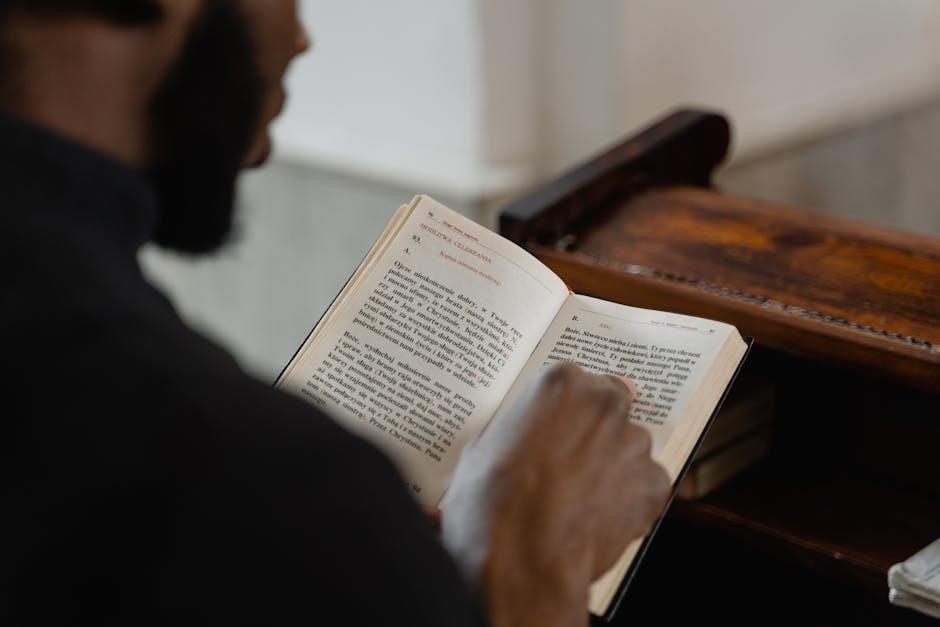
Furthermore, historical texts detailing the revisions leading to the 1928 edition illuminate the intentions of its compilers, enriching your devotional experience.

The 1928 BCP and Contemporary Anglicanism
The 1928 Book of Common Prayer continues influencing traditional Anglican worship, while scholarly study of its PDF version reveals its lasting liturgical impact today.
Continuing Use in Traditional Anglican Churches
Traditional Anglican churches frequently maintain the 1928 Book of Common Prayer as their primary liturgical text, valuing its established language and theological framework. This preference stems from a desire to preserve historical continuity and resist perceived theological liberalism present in later revisions, like the 1979 edition. Access to a 1928 Book of Common Prayer PDF facilitates its use for personal devotion and study within these communities.
Many congregations believe the 1928 BCP’s language possesses a unique reverence and beauty, fostering a deeper connection to the Anglican heritage. The readily available PDF format allows for easy distribution and use during services, study groups, and individual prayer. Furthermore, the digital accessibility ensures the preservation and continued relevance of this significant liturgical resource for future generations within these traditional settings.
Influence on Modern Liturgical Forms
Despite the introduction of revised prayer books, the 1928 Book of Common Prayer continues to exert a substantial influence on contemporary Anglican liturgical practices. Its carefully crafted language and structured format have served as a foundational model for many modern adaptations, even within more contemporary services. Accessing a 1928 Book of Common Prayer PDF allows scholars and liturgical designers to study its original structure.
Elements like the Daily Office and Eucharistic prayers, originally formalized in the 1928 edition, frequently appear in modified forms in newer liturgical materials. The emphasis on traditional theological themes and the balance between scriptural readings, prayers, and hymns continue to resonate with liturgical planners. The PDF version aids in comparative analysis, demonstrating how modern forms evolved from, and often retain echoes of, the 1928 BCP’s enduring legacy.
Scholarly Study and Historical Research
The 1928 Book of Common Prayer remains a crucial primary source for scholars researching Anglican history, liturgical development, and 20th-century theological trends. A readily available 1928 Book of Common Prayer PDF significantly facilitates this research, offering easily searchable and accessible text for detailed analysis. Historians can examine the prayer book as a reflection of the social, political, and religious climate of its time.
Liturgical scholars utilize the PDF to trace the evolution of Anglican worship, comparing it to earlier and later revisions. Theological studies benefit from examining the prayer book’s formulations of doctrine and its impact on devotional practice. Furthermore, the digital format enables computational analysis of language and themes, revealing patterns and nuances previously difficult to discern. The PDF is invaluable for academic pursuits.